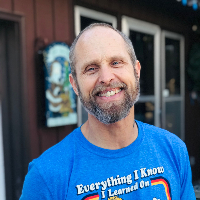
Dr. Paul Deutsch
LPC
Existential-minded counselor with practical tools
- Stress, Anxiety
- Trauma and abuse
- Eating
Clinical social work directory
34 therapists in this directory hold a licence issued in Wisconsin and name existential therapy among their approaches. Sessions are online; a US therapist can usually only see people in a state where they hold a licence, so check the credentials panel on each profile.
Welcome to our directory of online therapists serving Wisconsin. All therapists listed here are licensed in Wisconsin - explore profiles to compare approaches, credentials, languages and experience.
LPC
Existential-minded counselor with practical tools
LPC
Compassionate counselor with a practical focus
LPC
Compassionate counselor helping people find meaning and balance
LPC
Existential-informed counselor focused on practical change
LPC
Experienced counselor focused on meaning and coping
LPC
Compassionate counselor for life’s tough transitions
LPC
Supportive counselor focused on meaning and coping
WI Psychologist
Person-centered psychologist focused on meaning and change
LCPC, LPC
Existential-informed counselor guiding meaningful change
LPC
Practical, compassionate counseling for life changes
LPC
Existential and client-centered counseling
LPC
Practical, compassionate support for life’s hard moments
LCPC, LPC
Practical, values-focused therapy for adults
LCSW
Compassionate existential-informed clinical social worker
LMHC, LPC
Existential-informed counseling for life transitions
LPC
Practical support for anxiety and trauma recovery
LCSW
Existential-minded therapist focused on practical change
WI Psychologist
Experienced Wisconsin psychologist focused on meaning and change
LCSW, CSW
Compassionate, practical therapy for life challenges
LPC
Warm, practical counseling for life’s hard moments
LPC
Straightforward support for meaning and change
LCSW
Recovering person-focused therapist
LPC
Practical, person-focused counseling for life's challenges
LPC
Compassionate counseling with thoughtful guidance
LCSW
Insightful support for life’s turning points
LPC
Warm, practical counseling for life challenges
LCSW
Compassionate therapist for complex life transitions
LMFT
Connect choices to meaning in everyday life
LPC
Warm, practical counseling focused on meaning
LPC
Insight-focused counselor for relationships and meaning
LPC
Compassionate, practical therapy for life transitions
Some links on this page are partner links. We will earn a commission if you sign up through one, at no cost to you. It does not change what you pay or the order of the listings.
Online therapy has become a routine way to meet with a mental health professional across Wisconsin, from urban centers to more rural counties. In general, clinicians who provide teletherapy to people located in the state must hold an appropriate Wisconsin license, and many therapists choose to list the areas of practice and modalities they work with so you can get a sense of their interests. The technology used to connect you and a therapist can range from video calls to phone sessions, and the practical details are typically described in each therapist profile. If you travel within the state or move between towns, online sessions can help you maintain continuity in care because the treating clinician is already licensed to work with Wisconsin residents.
When you start with an online therapist you can expect a structure similar to in-person work: an initial conversation about goals, ongoing sessions scheduled at regular intervals, and occasional reviews of progress. Many therapists will describe whether they focus on short-term symptom relief, longer-term exploration, relationship work, or life transitions. Because therapists list their approaches and specialties in their profiles, you can preview whether someone mentions existential perspectives, cognitive-behavioral methods, or other approaches you find meaningful.
You may find online therapy especially helpful if you live far from metropolitan areas, have limited mobility, or need more flexible scheduling around work, school and family obligations. The ability to connect from your home, a car between commitments, or another personal setting reduces the time spent commuting and can make it easier to attend regular sessions. For seasonal reasons, online sessions can be more reliable during winter months when travel may be difficult in parts of the state.
Online therapy expands the pool of clinicians you can consider, which can be important when you are seeking a particular therapeutic approach, language match, or cultural understanding. If you prefer to work with someone who lists existential therapy among their approaches, or with therapists who list EMDR among their approaches, you can find profiles that highlight those interests. This larger selection helps you prioritize the qualities that matter most to your process, whether that is a therapist's experience with grief, relationship work, adolescent concerns, or identity-related issues.
Therapists who work online with Wisconsin residents address a wide range of emotional, relational and life concerns. You can find clinicians who focus on anxiety, depression, grief and loss, relationship conflicts, parenting challenges, career transitions and stress related to health conditions. Many therapists also work with people coping with existential questions about meaning, purpose, and values, which may be particularly relevant if you are navigating major life changes.
Online therapists often list populations they work with, such as teenagers, adults, older adults or couples. If you have identity-related needs, you can look for clinicians who mention LGBTQ+ competence or who offer services in languages other than English. Because therapist profiles typically include a description of common presenting issues, you can scan those summaries to find clinicians who mention trauma-related concerns, coping with chronic illness, substance-related challenges, or family dynamics. Remember that when modal approaches are listed it means a clinician notes an interest or use of that approach, not that the profile is a record of formal certification.
Confirming that a clinician is licensed in Wisconsin gives you factual information about their professional standing. The Wisconsin licensing authority maintains an online license lookup where you can search by name to verify an active license, view the license type and check the expiration date. The lookup may also show whether any public disciplinary actions are on file. If a profile lists a credential abbreviation such as LPC, LCSW, LMFT, PhD or PsyD, you can compare that abbreviation to the license details in the state database to make sure the profile aligns with the official record.
When you review a license record, pay attention to the license category and whether it is listed as active. Look for a license number and an expiration date, and note any remarks about restrictions or public actions. If you have questions about what an abbreviation or license type means, the state site often includes descriptions of different credential pathways and scopes of practice. Verifying license information can give you confidence that the clinician is authorized to practice in Wisconsin.
Beginning online therapy starts with clarifying what you hope to accomplish. You might be seeking symptom relief, help with a specific relationship, a space to explore questions of meaning, or strategies to manage a stressful season. Use those goals to guide your search and to help you read therapist profiles in a focused way. Look for descriptions of the clinician's typical focus areas, the populations they mention, and the approaches they list. If a therapist notes experience working with issues similar to yours or mentions a language you prefer, that can be an important match factor.
Once you identify profiles that feel relevant, take note of logistical details such as whether the clinician lists accepted payment methods or mentions insurance billing. Many profiles describe session structure in general terms so you can understand whether the clinician tends to offer brief skills-oriented work or longer-term exploration. Prepare a short list of questions you want to ask in an initial conversation - for example about session length, what a typical session looks like, or whether they have experience addressing the specific concerns that brought you here. It is appropriate to ask how they approach safety planning if you anticipate crises, and to make arrangements for emergency contacts or local support if you live in Wisconsin.
Choose a quiet personal setting where you feel comfortable speaking about sensitive topics, and test your device and internet connection in advance. Make time on either side of a session to reflect or ground yourself so you get the most out of the conversation. If technology interruptions occur, many therapists have a backup plan such as switching to a phone call for the remainder of the session. After a few sessions, consider whether the work feels aligned with your goals and whether the clinician's communication style matches what you need. It is normal to try more than one clinician before finding a good fit.
Searching for an online therapist in Wisconsin can feel overwhelming at first, but by clarifying your goals, checking licensure, and using profile details about approaches, populations and languages, you can narrow your options in a way that supports meaningful work. If you are ever in immediate danger or facing a life-threatening emergency, contact local emergency services right away. Otherwise, use the resources here to connect with a licensed practitioner whose profile and approach resonate with your needs, and take small steps toward scheduling an initial conversation.