Clinical social work directory
Therapists in Florida
308 therapists in this directory hold a licence issued in Florida and name existential therapy among their approaches. Sessions are online; a US therapist can usually only see people in a state where they hold a licence, so check the credentials panel on each profile.
Welcome to our directory of online therapists serving Florida. All therapists listed here are licensed in Florida - explore profiles to find practitioners whose approaches, focus areas, credentials and languages match your needs.
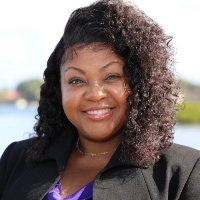
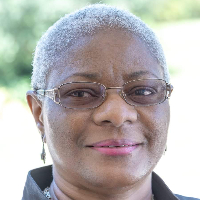
Crystal Scott
LPC, LMHC
Warm practical support for life’s tough moments
- Stress, Anxiety
- Anger
- Self esteem

Dr. Kathleen "Kathy" Meeks
LMFT
Relational therapist with an existential focus
- Relationship
- Family
- Trauma and abuse
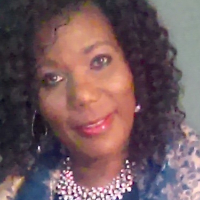
Felicity Palma
LPCC, LMHC
Therapist who blends meaning and practical skills
- Stress, Anxiety
- Trauma and abuse
- Self esteem

Kellie Foster
LMHC, LCMHC
Practical, person-focused counseling for life changes
- Stress, Anxiety
- Self esteem
- Depression

Joseph Setchel
LMHC, LCMHC
Compassionate counselor focused on practical progress
- Stress, Anxiety
- Depression
- Coping with life changes

Rev. Jessica Conti
LMHC
Compassionate existential guidance with practical skills
- Stress, Anxiety
- Trauma and abuse
- Eating
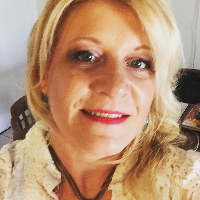
Tomeccia Maxwell
LMHC
Calm, practical guidance for everyday struggles
- Stress, Anxiety
- Relationship
- Family
Rev. Peggy Ann "Serena" Hemmer
LCSW
Practical therapy that honors values and choice
- Stress, Anxiety
- Relationship
- Trauma and abuse

Lindsey Thorp
LCSW
Therapy focused on meaning and practical change
- Stress, Anxiety
- Trauma and abuse
- Self esteem
Wendy Dunn
LMHC
Compassionate counselor focused on practical coping
- Stress, Anxiety
- Trauma and abuse
- Self esteem



Lisa Westcoat
LMHC
Practical, down-to-earth counseling for change
- Stress, Anxiety
- Relationship
- Trauma and abuse
Fred Sacklow
LCSW
Existential-minded clinician focused on meaning and change
- Stress, Anxiety
- Relationship
- Family
Eron Tworetzky
LMHC
Seasoned counselor focused on practical change
- Stress, Anxiety
- Addictions
- Relationship

John Jamieson
LCSW
Experienced existential therapist focused on meaning
- Stress, Anxiety
- Addictions
- LGBT

Alicia Frank
LMHC
Experienced Florida LMHC focused on meaning and coping
- Stress, Anxiety
- Trauma and abuse
- Anger

Michael Hutchinson
LMHC
Helping people make meaningful, values-based choices
- Stress, Anxiety
- Relationship
- Trauma and abuse

Linda Losi
LCSW
Experienced LCSW focused on practical meaning and change
- Stress, Anxiety
- Addictions
- LGBT
Telisa Hayden
LMHC
Healing that balances meaning and skills
- Stress, Anxiety
- Trauma and abuse
- Self esteem
Lisa Butrymowicz
LCSW
Compassionate therapist for mood and relationship challenges
- Stress, Anxiety
- Relationship
- Trauma and abuse
Dr. Mary Torok
LMHC
Practical therapy focused on values and skills
- Stress, Anxiety
- Family
- Trauma and abuse
Lawrence "Anton" Feriozzi
LMHC
Therapist focused on meaning and coping
- Stress, Anxiety
- Addictions
- Trauma and abuse

Dr. Amary Alcide
LCSW
Empowering practical therapy for life changes
- Stress, Anxiety
- Relationship
- Parenting

Bonnie Christensen
LMHC
Gently practical therapy for worn-out caregivers
- Stress, Anxiety
- Relationship
- Grief

Dr. Carol Parham
LMHC
Practical therapy for life’s difficult changes
- Stress, Anxiety
- Trauma and abuse
- Self esteem
Marie Pierre-Canel
LMHC
Compassionate, practical therapy with existential focus
- Stress, Anxiety
- Relationship
- Family
Richard Williams
LMHC
Compassionate, practical support for change
- Stress, Anxiety
- Addictions
- Trauma and abuse

Dr. Judith Evitt
LMHC, LPC
Compassionate help for stress and trauma
- Stress, Anxiety
- Trauma and abuse
- Grief
Wayne Rowan
LCSW
Strength-focused therapist for stress and addiction
- Stress, Anxiety
- Addictions
- Relationship

Nicole Bakewell
LMHC
Compassionate counselor focused on life's challenges
- Stress, Anxiety
- Addictions
- Trauma and abuse

Brett Rhoden
LMFT
Experienced therapist focused on relationships and meaning
- Relationship
- Parenting
- Anger
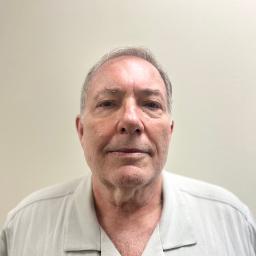
George Vega
LMHC
Compassionate therapy for practical life change
- Stress, Anxiety
- Addictions
- Relationship
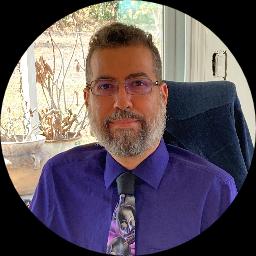
Virginia Hagen
LMHC
Compassionate counselor with deep clinical experience
- Stress, Anxiety
- Family
- Grief

Faryal Choudry
LCSW
Compassionate, practical support for life challenges
- Stress, Anxiety
- Addictions
- Relationship

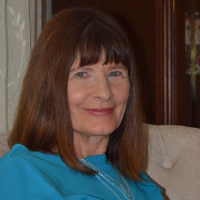
Dr. Peter Sutphen
FL Psychologist
Helping people find meaning and calmer everyday life
- Stress, Anxiety
- Relationship
- Trauma and abuse

Roseanne Jackson
LCSW, LCSW-R
Compassionate care for life’s hard transitions
- Stress, Anxiety
- Trauma and abuse
- Grief
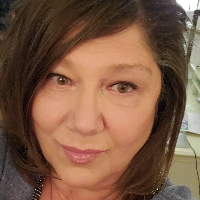
Shannon Salgado
LMFT
Blends practical tools with meaning-focused care
- Stress, Anxiety
- Addictions
- Relationship
Dr. Melinda Lawless Coker
LMFT
Experienced therapist focused on meaning and relationships
- Stress, Anxiety
- Addictions
- Relationship
Dr. Robert Nolan
LMHC
Experienced counselor blending meaning and practical skills
- Stress, Anxiety
- Trauma and abuse
- Bipolar
Some links on this page are partner links. We will earn a commission if you sign up through one, at no cost to you. It does not change what you pay or the order of the listings.
Overview of Online Therapy in Florida
Online therapy has become a common option for people across Florida who want to work with a licensed clinician without traveling to an office. State rules govern how mental health services are delivered, and many therapists who hold Florida licenses provide sessions using video or phone formats for clients located within the state. Teletherapy may be offered by clinicians working in independent practice, community agencies, clinics and other settings. While the technical experience - the video platform, connection speed and device you use - affects how the session feels, the core of therapy remains the same: a professional relationship focused on exploration, support and problem solving.
Because regulations and professional guidelines evolve, it helps to know that online therapy in Florida operates within a regulatory framework that aims to protect consumers and set expectations for professional conduct. You can expect to see a range of clinicians who list different professional credentials and therapeutic approaches on their profiles. Many clinicians combine clinical knowledge with approaches that speak to your goals, whether you are navigating a life transition, managing stress or addressing longstanding patterns.
What online practice looks like
Sessions are typically scheduled in set time blocks and take place through encrypted video, phone or messaging features offered by clinicians. Environment matters - you will want a quiet, comfortable setting where interruptions are minimized so you can focus on the session. If you rely on teletherapy because of location, mobility or scheduling needs, online work can make it easier to connect with clinicians who reflect your language or cultural background.
Benefits of Online Therapy for Florida Residents
Online therapy expands access to licensed clinicians across Florida, which is especially helpful if you live in a rural county, spend time away from a major metro area, or want to see a clinician who speaks your language. You can connect from your home, your car between commitments or another calm location, and you are able to include partners or family members in sessions when a clinician supports that format. The flexibility of online sessions can reduce travel time and make it easier to maintain continuity with a clinician when life is busy.
Another benefit is the ability to find clinicians who list specific approaches or specialties that match your concerns. For example, if you are exploring trauma-focused approaches, you may find clinicians who list EMDR among their approaches. If you are drawn to narrative, existential or mindfulness-informed work, you can search profiles to see how clinicians describe their orientation. That variety helps you find someone whose way of working resonates with you.
At the same time, online therapy has practical considerations. You will want reliable internet, a device with a camera and a personal place where you can talk without interruption. Some people find that certain types of sessions - for example those requiring hands-on assessments - are better in person, while many other issues are well suited to remote work. It helps to think about what you need from therapy and how remote sessions would fit into your daily life.
Issues Online Therapists in Florida Commonly Help With
Online therapists in Florida address a broad range of concerns. Many people seek support for anxiety, depression, relationship difficulties, grief and life transitions such as job change, relocation or retirement. Others look for help with identity exploration, parenting challenges, career stress and coping with chronic health conditions. Clinicians also work with people processing past traumatic events, though the specifics of trauma work vary by clinician and by the approaches they list on their profiles.
Therapists who list particular approaches among their modalities can offer different perspectives. Some clinicians emphasize cognitive-behavioral strategies to help you change patterns of thinking and behavior. Others frame work through psychodynamic or existential lenses that explore meaning, values and life direction. If you prefer experiential methods, you may find clinicians who describe somatic or expressive approaches. The language clinicians use on their profiles can help you understand whether their way of working aligns with what you seek.
Keep in mind that the fit between you and a clinician often matters more than a single label or technique. You may find that a clinician combines approaches in a way that supports your goals, and you should feel comfortable asking how they typically structure sessions for issues like yours.
How to Verify a Therapist's License in Florida
When you review clinician profiles, look for the license type and the issuing jurisdiction listed on the profile. A helpful next step is to consult the appropriate state licensing board's online registry to confirm that the license is active and in good standing. The registry will typically show basic details such as license type, license status, issuance and expiration dates and whether there are any public disciplinary notices associated with the license.
To verify a license, note the clinician's full name and license number if it is provided, and use the state board's license verification tool. If you do not see the clinician listed or you have questions about a listing, you can contact the licensing board by phone or email to request verification. Licensure records are public documents in most states and are intended to help you make informed choices.
While checking a license is an important step, also consider the information a clinician shares in their profile about areas of focus and the populations they work with. If a clinician works with specific cultural or language needs, that will often be reflected in their profile text. Verifying both licensure and the kinds of concerns the clinician describes gives you a fuller picture as you decide who to reach out to.
Getting Started and Tips for Choosing the Right Therapist
Begin by clarifying what you want from therapy. Are you looking for short-term strategies to manage anxiety, or a longer-term space to explore identity and meaning? Once you know your priorities, use the directory filters to focus on clinicians who list relevant specialties, therapeutic approaches and languages. Read clinician biographies for information about professional background, the populations they describe working with and how they describe their approach.
When you find clinicians whose profiles resonate, prepare a few questions to ask in an initial contact. You might ask how they typically structure sessions for your concern, what a typical course of work might look like, what methods they draw on and how they describe their communication style. It is appropriate to ask about fees, sliding scale options and whether they accept your insurance or offer out-of-network receipts if that matters to you. You can also ask about session logistics - the session length, platform used and procedures for urgent concerns - so you understand how the working relationship would operate.
Trust your impression. It is normal to try more than one clinician before you find the right fit. A good match often includes clear communication, shared expectations about goals and a sense that the clinician understands your values and life context. If at any point you feel unsafe or are in immediate danger, contact local emergency services or a crisis line right away. Choosing a therapist is a personal decision and taking time to find someone who feels like the right partner for your work can make therapy more useful.
Practical steps to begin
Start by narrowing your search to clinicians who list the areas and approaches that matter to you. Read biographies, look over practical details, and reach out with concise questions that help you decide whether to proceed. Keep a short list of priorities for a first session so you can use the time efficiently. With a clear sense of your goals and a careful check of licensure and professional descriptions, you can find a clinician whose perspective and way of working align with the next steps you want to take.
Online therapy is one way to access licensed clinicians across Florida, and it can offer flexibility, access to specialized approaches and a way to continue work regardless of where you live in the state. Use the tools in this directory to explore profiles, verify credentials and begin a conversation with clinicians whose practice descriptions match the kind of support you seek.