Clinical social work directory
Therapists in Virginia
43 therapists in this directory hold a licence issued in Virginia and name existential therapy among their approaches. Sessions are online; a US therapist can usually only see people in a state where they hold a licence, so check the credentials panel on each profile.
Welcome to our directory of online therapists serving Virginia. All therapists listed here are licensed in their professions - explore profiles to compare credentials, approaches, languages and areas of focus.

Angela Kennedy
LPC
Existential-informed counselor focused on practical change
- Stress, Anxiety
- Relationship
- Self esteem


Brenda Atkinson
LCSW, CSW
Experienced LCSW focused on life transitions
- Stress, Anxiety
- Relationship
- Family

Shannon Shackford
LPC
Guide for finding meaning and coping skills
- Stress, Anxiety
- Self esteem
- Depression

Paul Clark
LICSW, LCSW
Insightful, direct support for life changes
- Stress, Anxiety
- Relationship
- Family

Kyle Yoder
LPC
Insightful counselor helping people navigate relationships and life
- Relationship
- Intimacy-related issues
- Self esteem

Antoinette Goss
LMHC, LPC
Compassionate, practical therapy for life’s hard moments
- Stress, Anxiety
- Addictions
- Trauma and abuse



Roshne Davidson
LPC
Compassionate counseling with practical tools
- Stress, Anxiety
- Depression
- Addictions

Josh Holbrook
LPC
Existential-minded counselor focused on practical change
- Stress, Anxiety
- Trauma and abuse
- Self esteem

Marci Gilpin
LCSW
Experienced social worker focused on practical change
- Stress, Anxiety
- Family
- Parenting
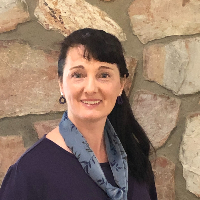

John Horner
LPC
Existential-informed counselor focused on practical change
- Stress, Anxiety
- Anger
- Bipolar

Yasaman Sherbaf
LPC
Compassionate, practical counseling for life changes
- Stress, Anxiety
- Addictions
- Relationship

Madeline Myers
MD, LCPC, LPC
Existential-minded clinician for life transitions
- Stress, Anxiety
- Relationship
- Trauma and abuse

Billings Collins
LCSW
Practical, values-focused guidance for real-life problems
- Stress, Anxiety
- Parenting
- Anger

Kimberly Williams
LPC
Empathetic counselor for life and relationship challenges
- Stress, Anxiety
- Relationship
- Family

Melissa Wooden
LPC
Compassionate counselor combining meaning and practical skills
- Stress, Anxiety
- Addictions
- Anger

Sonya Allen
LPC
Practical, values-focused mental health support
- Stress, Anxiety
- Trauma and abuse
- Parenting

Tamara Coleman
LCSW
Calm, practical support for everyday struggles
- Stress, Anxiety
- Relationship
- Family

Kirsten Betak
CA Psychologist, VA Psychologist
Experienced psychologist guiding practical change
- Stress, Anxiety
- Relationship
- Self esteem

Juanita Stokes
LPC
Person-centered counselor focused on practical change
- Stress, Anxiety
- Relationship
- Grief
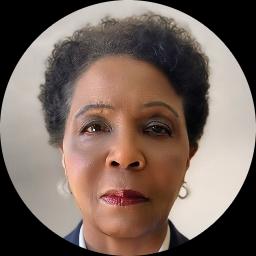

Hannah Phillips Hale
LPC
Existential-informed counselor focusing on practical growth
- Stress, Anxiety
- Relationship
- Trauma and abuse

LeNora Black
LPC
Compassionate counselor for life transitions
- Stress, Anxiety
- Relationship
- Trauma and abuse


Anthony Clark
LCSW
Experienced LCSW blending practical and meaningful work
- Stress, Anxiety
- Relationship
- Family

Preston Page
LCSW
Therapist focused on meaning and practical change
- Stress, Anxiety
- Eating
- Self esteem


Dr. Ratha Zeidan-Lukacs
LMHC, LPC
Practical, meaning-focused counseling in Virginia
- Stress, Anxiety
- Relationship
- Self esteem

Dr. Sally Goh
LPC
Compassionate counselor helping you find steady steps forward
- Stress, Anxiety
- Trauma and abuse
- Depression

Richard Turner
LPC
Grounded counseling focused on meaning and coping
- Stress, Anxiety
- Addictions
- Family

Dr. Jessica Winn
LMFT
Experienced therapist focused on meaning and relationships
- Stress, Anxiety
- Relationship
- Family

Angela Marshall
LPC
Practical, values-focused counseling for everyday life
- Stress, Anxiety
- Grief
- Self esteem
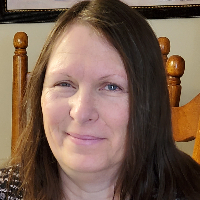
Dr. Scott Lovaas
LCSW, CSW
Guide for stress, relationships, and life changes
- Stress, Anxiety
- Relationship
- Career

Pamela Robinson
LPC
LPC helping people find meaning and practical change
- Stress, Anxiety
- Family
- Trauma and abuse

Mary Messerschmidt
LCSW
Experienced LCSW focused on meaning and change
- Addictions
- Relationship
- Intimacy-related issues


Lisa McCarton
LCSW
Calm, practical support for life’s difficult moments
- Stress, Anxiety
- Family
- Trauma and abuse

Renee Giegel
LPC
Experienced Virginia LPC focused on meaning and coping
- Addictions
- Trauma and abuse
- Sleeping


Some links on this page are partner links. We will earn a commission if you sign up through one, at no cost to you. It does not change what you pay or the order of the listings.
Overview of online therapy options in Virginia
Online therapy has become a common way to access mental health support across Virginia, connecting you with clinicians who work remotely from within the state. Because licensure is state-based, therapists who provide online services to Virginia residents typically hold a Virginia license in their discipline, whether that is counseling, social work, marriage and family therapy, or psychology. The technology used for sessions ranges from video calls to phone sessions and text-based messaging, and many clinicians list the approaches they use and the populations they serve right on their profile pages. When you search listings, you will see a variety of credentials and stated specialties, and those listings can help you match your needs to therapists who describe relevant experience, languages, and interests.
Benefits of choosing online therapy if you live in Virginia
Online therapy can reduce travel time and increase convenience when you live in an area where in-person options are limited or require a long commute. You can meet with a practitioner from your home, workplace, or another quiet space that feels comfortable for you, which often makes it easier to fit care into a busy schedule. For people who live in rural regions of Virginia, remote sessions may broaden the range of clinicians you can work with, including those who list specialized approaches or experience with particular life stages. Online formats also let you continue a therapeutic relationship if you move within the state or travel for work, as long as the clinician maintains a Virginia license. In addition, many therapists who list varied approaches can tailor the style of sessions to your preferences, whether you prefer structured skill-building, exploratory conversation, or a focus on relationships and life transitions.
Types of issues Virginia online therapists commonly help with
Therapists who offer online services in Virginia often list experience addressing a wide range of concerns that many people seek help for. You might find clinicians who note work with mood concerns such as persistent sadness or depression, anxiety and stress related to family life or employment, relationship challenges, and life transitions like parenting, retirement, or relocation. There are practitioners who describe experience supporting people through grief and loss, trauma-related symptoms, and identity-related struggles tied to culture, gender, or sexuality. Some profiles indicate clinicians who list approaches used for trauma, attachment, or somatic concerns, and others highlight experience with parenting or family systems. When you look through profiles, pay attention to the ways clinicians describe their areas of focus and the populations they work with so you can identify practitioners whose interests align with the issues you want to address.
How to verify a therapist's license in Virginia
Verifying licensure is an important step when you are evaluating practitioners listed for online services in Virginia. Start by noting the license type on a clinician's profile - common credentials include licenses in counseling, social work, marriage and family therapy, and psychology. Once you have the license type and the clinician's name, you can check the Virginia licensing board that oversees that profession. Most boards maintain an online search tool where you can confirm that a license is active and view basic details such as issue and expiration dates and any public disciplinary actions. If you prefer, you can call the board for assistance and ask for guidance on how to interpret information on the public record. Verifying the license helps you confirm that the clinician is authorized to practice in Virginia and provides a factual basis when you evaluate a therapist's listed credentials and areas of focus.
How to get started with an online therapist and what to expect
When you decide to reach out to a clinician, begin by reading the profile to understand their stated approaches, specialties, languages, and the populations they describe working with. Contact methods are often listed on profiles; you can send a message or use a contact form to introduce yourself and describe the main concerns you want to address. Many clinicians will invite an initial intake conversation to review logistics, discuss goals, and answer your questions about session format and fees. Prior to your first full session, you may receive intake paperwork that asks about your history, current concerns, and emergency contact information. On the technical side, ensure your device supports video calls if you prefer that format, check that your internet connection is stable, and choose a quiet space for the session where you can speak without interruption. During early sessions you and the clinician will typically talk about your goals, how you prefer to work, and any practical details about session length and frequency. If you have insurance, ask the clinician or your benefits provider about how mental health coverage or reimbursement works for online services in your plan.
Tips to help you choose the right online therapist
Choosing a therapist is a personal decision and it helps to focus on practical criteria you can compare across profiles. Look at the clinician's professional credentials and the license type that aligns with the services you want. Read how they describe their approaches and the populations or concerns they frequently work with - for example, some therapists list experience supporting people through life transitions, parenting challenges, or relationship issues, while others note work with mood or trauma-related concerns. Languages offered and cultural experience can matter if you want therapy in a language other than English or from someone who understands your cultural background. Consider what sort of therapeutic style feels right for you - whether you prefer a more directive, skills-based approach or an exploratory, reflective style - and choose clinicians whose descriptions match that preference. Pay attention to practical matters such as session length, communication methods between sessions, and whether the clinician mentions collaboration with other health providers when appropriate. Finally, trust your instincts after an initial conversation; the dynamics of the first few sessions can give you a clear sense of whether a clinician's approach and manner feel like a good fit for you.
Safety and crisis planning
While online therapy is well suited to many concerns, you should be aware of how to get immediate assistance if you face a crisis. Discuss emergency planning with any clinician you contact so you understand how they handle urgent situations and what local resources they recommend. If you are ever in immediate danger or need urgent medical attention, call local emergency services or go to the nearest emergency department. Many clinicians will ask for an emergency contact and the name of local emergency resources during intake so they have the appropriate information on file.
Continuing your search thoughtfully
As you explore listings, take your time to read several profiles and think about which clinicians articulate approaches and interests that resonate with your goals. You can prioritize credentials, languages, or areas of focus as you narrow options. A thoughtful search process helps you find a therapist whose experience and style support the work you want to do, and the directory is a starting point for comparing the types of practitioners who list online services in Virginia.
Whether you are seeking short-term support for a specific issue or a longer-term space to explore personal growth, online therapy can be a flexible way to access professional help. Use the information on profiles to guide your outreach, verify licensure through the appropriate Virginia boards, and choose a clinician whose stated approaches and experience align with your needs. When you begin, be clear about your goals and practical preferences so you can get the most from each session and build a therapeutic relationship that supports your priorities.