Clinical social work directory
Therapists in Tennessee
35 therapists in this directory hold a licence issued in Tennessee and name existential therapy among their approaches. Sessions are online; a US therapist can usually only see people in a state where they hold a licence, so check the credentials panel on each profile.
Welcome - if you are looking for an online therapist in Tennessee, you are in the right place. All therapists listed here are licensed; explore their profiles to find clinicians whose approaches, focus areas, and languages align with your needs.

Janet Ferrell
LPC
Experienced counselor focusing on practical change and meaning
- Addictions
- Family
- Grief

Ace Glaspy
LPC
Existential-minded counselor focused on practical change
- Stress, Anxiety
- Trauma and abuse
- Anger


Rev. Melloney Hudelson
LPC-MHSP
Compassionate counselor focused on meaning and change
- Stress, Anxiety
- Trauma and abuse
- Self esteem

Shea Witt
LPC
Practical, values-focused counseling in Tennessee
- Stress, Anxiety
- Trauma and abuse
- Grief

Norman Shaffer
LCSW
Helping people move past addiction and anxiety
- Addictions
- Stress, Anxiety
- Relationship

Anna Owens
LPC-MHSP
Collaborative work to build inner strength
- Stress, Anxiety
- Relationship
- Trauma and abuse

Clifford Nathaniel
LPC
Thoughtful, pragmatic counseling for life challenges
- Stress, Anxiety
- Grief
- Parenting

Mindy Lane
LCSW
Practical, person-centered care for life's hard moments
- Stress, Anxiety
- Trauma and abuse
- Self esteem

Dr. Jane Barton
TN Psychologist
Experienced psychologist guiding meaning and coping
- Stress, Anxiety
- Relationship
- Grief

Kelly Sheets
LPC
Existential-informed counselor with addiction experience
- Addictions
- Trauma and abuse
- Bipolar

Kristina Kerr
LPC
Experienced counselor focused on meaning and coping
- Stress, Anxiety
- Addictions
- Relationship

Chelsea Rothschild
TN Psychologist
Compassionate psychologist focused on practical change
- Stress, Anxiety
- Sleeping
- Coping with life changes

Sara Tinker
LCSW
Compassionate care for stress and relationships
- Stress, Anxiety
- Relationship
- Trauma and abuse
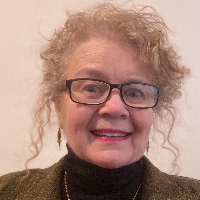
Sandi Hines
LCSW
Compassionate social worker helping people find direction
- Stress, Anxiety
- Relationship
- Grief


Shara Biggs
LPC
Existential-informed counselor focused on practical change
- Addictions
- Trauma and abuse
- Self esteem

Rebecca Kee
LPC, LPC-MHSP
Practical, values-focused therapy for everyday stress
- Stress, Anxiety
- Grief
- Depression

David Tyler
LPC
Calm, practical counseling rooted in strengths
- Stress, Anxiety
- Relationship
- Self esteem


Jennifer Roney
LPC, LPC-MHSP
Compassionate counselor helping people find meaning
- Stress, Anxiety
- Trauma and abuse
- Self esteem

Necole Richardson
LPCC, LCMHC
Existential-informed therapist focused on meaning and coping
- Stress, Anxiety
- Addictions
- Trauma and abuse

Clara Solomon-Carmack
LPC
Compassionate counseling for life’s difficult moments
- Stress, Anxiety
- Addictions
- Grief

Lori Mcdunn
LPC-MHSP
Compassionate counseling with practical tools
- Stress, Anxiety
- Relationship
- Trauma and abuse

David Anderson
LPC-MHSP
Supportive counselor focused on meaning and change
- Stress, Anxiety
- Trauma and abuse
- Parenting

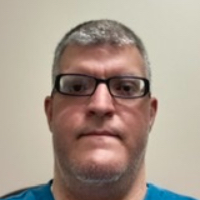
Dr. Erin Armour
TN Psychologist
Compassionate psychologist guiding practical change
- Stress, Anxiety
- Relationship
- Sleeping

Kim Padula
LCSW
Practical, experience-based therapy for life changes
- Stress, Anxiety
- Addictions
- Bipolar
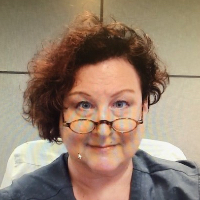
Dr. Jennifer Hanket-Held
TN Psychologist
Compassionate psychologist focused on trauma recovery
- Stress, Anxiety
- Trauma and abuse
- Depression

Darla Roundtree
LCSW
Practical, compassionate therapy for life challenges
- Stress, Anxiety
- Relationship
- Family

Diane Witmer
LCSW
Compassionate, practical therapy for life’s hard moments
- Stress, Anxiety
- Trauma and abuse
- Grief

Shakira Thomas
LPC
Collaborative, practical support for life transitions
- Stress, Anxiety
- Relationship
- Grief

Laura Westbrook
LPC
Therapist focused on meaning and practical support
- Addictions
- LGBT
- Trauma and abuse

Kalene McSwain-Faulkner
LCSW, CSW
Calm, practical support for life’s hard changes
- Stress, Anxiety
- Trauma and abuse
- Grief

Some links on this page are partner links. We will earn a commission if you sign up through one, at no cost to you. It does not change what you pay or the order of the listings.
Overview of online therapy in Tennessee
Online therapy has become an established option for many people across Tennessee, offering a way to meet with a clinician from your home, workplace, or another convenient setting. In Tennessee, licensed mental health professionals may offer telehealth services subject to rules set by the boards that regulate their professions. That means you will commonly see licensed counselors, social workers, marriage and family therapists, and psychologists describing online or telehealth options on their profiles. Each clinician’s practice is shaped by the professional standards of their licensing board as well as by state guidance for remote care. As a result, the technical details - the platform they use, how sessions are documented, and the format of meetings - can vary from one clinician to another. When you are exploring listings, look for clear descriptions of the therapist’s focus areas, the approaches they list, and the practical details about session format so you understand how online work is offered.
How regulation affects online practice
Regulatory frameworks influence who may provide remote services and under what conditions. Therapists licensed in Tennessee follow state rules about telehealth practice, and some practitioners may also be subject to additional expectations from professional associations. Because licensing and telehealth rules can change, it is useful to read the section of a clinician’s profile that explains their online service model and to verify licensing information directly with the relevant state board before you begin.
Benefits of online therapy for Tennessee residents
Online therapy can expand access to mental health support across Tennessee’s urban, suburban, and rural communities. You may find that remote sessions reduce the time you spend commuting, make scheduling easier around work or school, and allow you to connect with clinicians who offer specialized expertise beyond what is available in your immediate area. For some people, meeting online can make it simpler to maintain continuity of care when life circumstances change - for example, if you move within the state or have irregular hours. Online work also enables you to choose a therapist whose approach and focus areas match your needs rather than being limited to local options.
Another practical advantage is that online sessions can be easier to attend during periods of illness or travel, and they may allow family members in different locations to participate where appropriate. While technology can introduce new considerations - such as the need for a stable internet connection and a quiet environment - many people find that the convenience and flexibility of online therapy outweigh these challenges. As you think about online services, consider how each clinician describes their methods, what they list among their approaches, and how they handle session logistics so you can find a good fit for your circumstances.
Common concerns online therapists in Tennessee help with
Online therapists in Tennessee commonly address a broad range of issues that you might be seeking help for. Many clinicians list experience in areas such as anxiety and depression, relationship and family concerns, grief and loss, life transitions, stress management, and trauma-related symptoms. You will also find therapists who list approaches oriented to work with specific populations - for example, adolescents, parents, LGBTQ+ adults, older adults, or people navigating cultural and identity questions. Therapists who list trauma-focused methods among their approaches may work with survivors of abuse or accidents, while others who list family or couples approaches will describe ways they work with relational patterns.
In addition to presenting concerns, clinicians often highlight therapeutic approaches they use in their practice. When you read profiles, pay attention to the phrasing - it is accurate and appropriate to note that a therapist lists a particular approach among their offerings. That phrasing helps you understand what kinds of techniques or frameworks a clinician may draw on in sessions, and it can guide you toward professionals who emphasize the work you want to do.
Verifying a therapist's license in Tennessee
Confirming that a therapist holds an active license in Tennessee is an important step when you are selecting online care. Start by noting the license type listed on the clinician’s profile - common designations include licensed professional counselor, licensed clinical social worker, marriage and family therapist, and psychologist. Once you have that information, use the appropriate Tennessee state licensing website or license lookup tool to verify the clinician’s name and license number. These official resources typically indicate whether a license is active, the expiration date, and whether the board has taken any disciplinary actions. Checking these details can give you a clearer picture of a clinician’s standing with their licensing authority.
Practical steps for verification
To verify a license, gather the clinician’s full name and, if available, their license number. Visit the state licensing board’s website and use their license search or verification tool to look up the practitioner. If you have questions about what you find - for example, if an entry is unclear or you want more context about a disciplinary notation - you can contact the licensing board directly for guidance. Keep in mind that licensure rules vary by profession, so if a clinician lists more than one credential, you can check each board that issued those credentials. This process helps you confirm that a clinician is authorized to practice in Tennessee and provides transparency about their regulatory record.
Getting started and choosing the right online therapist
When you are ready to begin, start by clarifying what you want from therapy and what practical constraints matter to you - hours, fee range, languages spoken, and the types of approaches a therapist lists. Many profiles describe whether a clinician works with individuals, couples, or families, and whether they list certain approaches or focus areas that align with your goals. Use this information to create a short list of therapists whose descriptions feel like a match, then reach out to each clinician to ask any practical questions you have.
First-session considerations
In an initial conversation or first session, you can share what you hope to address and ask about the therapist’s style and how they typically structure sessions. You may want to inquire about the length of sessions, how records are kept, what to expect during the therapeutic process, and how the therapist integrates the approaches they list into their work. It is reasonable to ask for clarification when a profile mentions particular approaches - for example, you can ask how a therapist who lists cognitive-behavioral or psychodynamic methods uses those ideas in practice. These questions help you assess fit and feel more confident that you understand how a clinician works.
Choosing the right therapist is a personal process. Trust your sense of whether a clinician’s communication style, focus areas, and the approaches they list feel like a good match for you. It is also wise to consider practical factors like fee structure and whether the clinician discusses insurance or sliding-scale options on their profile. Taking time to review profiles, verify licensure, and talk with a few clinicians can help you find an online therapist in Tennessee who aligns with your needs and supports the work you want to do.