Clinical social work directory
Therapists in Ohio
62 therapists in this directory hold a licence issued in Ohio and name existential therapy among their approaches. Sessions are online; a US therapist can usually only see people in a state where they hold a licence, so check the credentials panel on each profile.
Welcome to our directory for online therapists serving Ohio. All therapists listed here are licensed to practice in Ohio - explore profiles to compare approaches, focus areas and languages offered.

Timothy Schuerr
LISW
Helping people find meaning and practical change
- Stress, Anxiety
- Family
- Parenting

Haven Ohly
LISW
Compassionate, practical therapy for life’s hard moments
- Stress, Anxiety
- Addictions
- Relationship

Mary Van Hooser
LISW
Practical support for real-life struggles
- Addictions
- Trauma and abuse
- Self esteem

Isabel Sanchez Cummings
LISW
Helping people find meaning and practical coping skills
- Stress, Anxiety
- Grief
- Self esteem
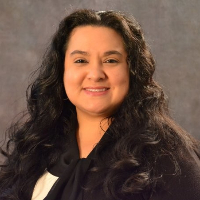
Stephanie Birnbaum
LPCC
Calm, goal-oriented care with practical tools
- Stress, Anxiety
- Self esteem
- Depression

Dr. Ulia Fisher
LIMFT, LPCC
Caring, practical therapy for everyday overwhelm
- Stress, Anxiety
- Relationship
- Family

Carolyn Faucette
LISW
Compassionate existential-informed counseling
- Stress, Anxiety
- Relationship
- Grief



Jeffrey Owen
LPCC
Experienced counselor focused on meaning and practical change
- Stress, Anxiety
- Addictions
- Trauma and abuse

Nicole Hohler
LPCC
Helping people move forward with clarity and calm
- Stress, Anxiety
- Addictions
- Relationship

Linda Levinson
LPCC
Practical, values-focused counseling for life changes
- Stress, Anxiety
- Addictions
- LGBT

Samantha Blackwell
LCSW, LISW
Experienced LCSW focused on life change
- Stress, Anxiety
- Family
- Trauma and abuse


Natalie Varrone
LPCC
Compassionate counselor focused on meaning and change
- Stress, Anxiety
- Relationship
- Trauma and abuse



Joni Obrecht
LPCC
Practical, compassionate counseling for everyday life
- Stress, Anxiety
- Relationship
- Family
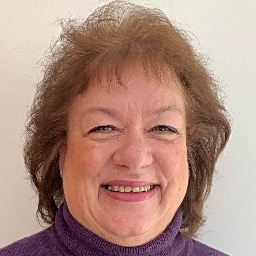

Kellie Kiernan
LPCC
Practical counseling rooted in meaning and action
- Stress, Anxiety
- Trauma and abuse
- Grief

Tanya Younce
LPCC
Calm guidance through life’s hard transitions
- Stress, Anxiety
- Relationship
- Self esteem

Damara Ferguson
LCSW, LISW
Calm, values-focused therapy for real life struggles
- Stress, Anxiety
- Family
- Self esteem

Amy Nicolazzo
LPCC
Calm guidance for stress, anxiety, and life shifts
- Stress, Anxiety
- Addictions
- Self esteem

Joseph Rifici (He/Him)
LPCC
Compassionate counselor focused on practical change
- Stress, Anxiety
- Addictions
- Anger

Anna Muirheid
LPCC, LMHC
Therapist who combines practical tools and meaning
- Addictions
- Grief
- Parenting

Dawn Brumfield
LISW
Experienced therapist focused on meaning and mood support
- Stress, Anxiety
- Trauma and abuse
- Bipolar

Debora Van Romer
LPCC
Practical therapy for stress and relationships
- Stress, Anxiety
- Relationship
- Trauma and abuse

Julia Rose
LPCC
Helping people find meaning and calmer days
- Stress, Anxiety
- Addictions
- Trauma and abuse

Dr. Dana Matthews
LPCC
Supportive counselor focused on meaning and coping
- Stress, Anxiety
- Grief
- Career

Dominique Harwell
LPCC
Practical counseling for meaning and balance
- Stress, Anxiety
- Relationship
- Grief

Stephen Wallace
LPCC
Existential-informed counselor focusing on meaning and coping
- Stress, Anxiety
- Depression
- Coping with life changes

Matthew McKinley
LPCC
Calm, practical therapy that respects your values
- Stress, Anxiety
- Self esteem
- Depression

Gina Sinito
LMHC, LPCC
Calm, collaborative counseling for life transitions
- Stress, Anxiety
- Addictions
- Family



Justin Hernandez
LPCC
Existential-informed counselor focused on real change
- Stress, Anxiety
- Relationship
- Family

Jeffrey Smart
LPCC
Compassionate, practical counseling focused on meaning
- Stress, Anxiety
- Addictions
- Relationship

Timothy Welch
LPCC
Experienced counselor focused on meaningful change
- Stress, Anxiety
- Addictions
- Self esteem

Dr. Brittany Collins
LPC, LPCC
Meaning-focused counselor for life transitions
- Stress, Anxiety
- Grief
- Self esteem

Mary Vietmeier
LPCC
Compassionate counselor focusing on whole-person care
- Stress, Anxiety
- Relationship
- Self esteem

Patricia Tingler-Baker
LCSW
Experienced LCSW guiding steady, practical change
- Stress, Anxiety
- Addictions
- Self esteem

David Miller
LISW
Compassionate, practical therapy for life’s hard moments
- Stress, Anxiety
- Addictions
- Trauma and abuse

Heather Coulson
LPCC
Guiding people through stress and life questions
- Stress, Anxiety
- Addictions
- Trauma and abuse

Karey Thompson
LISW
Compassionate, practical therapy for life changes
- Stress, Anxiety
- Relationship
- Family


Paul D. Wess
LPCC
Experienced counselor focused on trauma-informed growth
- Stress, Anxiety
- Trauma and abuse
- Anger

A. James (Jim) Evans
LPCC
Strengthening choices with steady, practical counseling
- Stress, Anxiety
- Addictions
- Relationship

Some links on this page are partner links. We will earn a commission if you sign up through one, at no cost to you. It does not change what you pay or the order of the listings.
Overview of online therapy availability in Ohio
What online therapy looks like across the state
Online therapy has become an established option for people across Ohio, from dense urban neighborhoods to small towns and rural counties. You will find licensed counselors, social workers, psychologists and marriage and family therapists offering sessions by video or phone so that you can meet from home, from work during a break, or from another quiet setting. Because telehealth regulations and licensing rules determine who may practice across state lines, therapists listed here are licensed to practice in Ohio and describe their services and approaches on their profiles. That means when you browse listings you are seeing professionals who indicate they are legally recognized by Ohio licensing authorities to work with residents of the state.
Technology and comfort with remote meetings vary from clinician to clinician, so the way sessions are conducted can differ. Some professionals emphasize a conversational, exploratory approach while others describe goal-focused work. Many profiles include notes about preferred session formats, languages spoken, and populations they focus on, so you can assess whether a clinician may fit the kind of therapeutic relationship you want to build. Although online therapy broadens choices, it is still important to check licensing and practice information so you understand how a clinician positions their services for Ohio residents.
Benefits of online therapy for Ohio residents
Practical and emotional advantages
Choosing online therapy can remove practical barriers that sometimes make it hard to start or continue care. If your schedule is full with work, school, or family responsibilities, the option to meet virtually can reduce the time spent commuting and allow you to access sessions from places that feel convenient. For people living in rural or underserved parts of Ohio, online sessions expand access to a wider range of approaches, languages and clinician backgrounds than local offices alone might offer.
Beyond convenience, online therapy can make it easier to maintain continuity through life changes like moving, job transitions or caregiving shifts. Meeting from your own chosen environment may also help you apply what you discuss in session to real-life contexts. Some people find that video or phone sessions lower the barrier to honest conversation and emotional exploration, while others prefer occasional in-person contact when feasible. It is important to note that online therapy is not intended for emergency crisis care. If you are experiencing an immediate safety risk or a medical crisis, you should contact local emergency services or a crisis hotline.
Common issues online therapists in Ohio can help with
Emotional, relational and life-transition work
People seek online therapy for a wide range of concerns. Many Ohio residents look for support with anxiety, persistent sadness or depression, relationship and family difficulties, grief after loss, and adjustment during major life transitions such as career changes or moving. Therapists also often work with people navigating stress related to health conditions, parenting challenges, identity and self-understanding, and coping with trauma or difficult experiences. Profiles frequently note the populations a clinician works with, such as adolescents, adults, couples, or older adults, and may list specialties like perinatal mood concerns, chronic illness adjustment or workplace issues.
Therapy approaches vary, and you will find therapists who list cognitive-behavioral methods, acceptance and commitment approaches, psychodynamic perspectives, trauma-informed practices and other orientations among their approaches. Mentioning an approach on a profile is not the same as documenting formal certification, but it can help you identify clinicians whose ways of working align with what you expect. If you have a particular concern in mind, look for profiles that describe experience or focus areas that resonate with your needs, and consider asking about how they typically work with similar issues.
How to verify a therapist's license in Ohio and get started
Steps to confirm credentials and prepare for your first session
If you want to confirm a therapist's licensure in Ohio, start by noting the professional name and any license number listed on their profile. Ohio maintains public licensing boards for different professions, and you can search those databases online to check license status and any public disciplinary history. Look for the listed license type and the state board that issued it, and make sure the status is active and that the clinician is authorized to practice in Ohio. If you have questions about what you find, you may contact the appropriate Ohio licensing board for clarification.
Once you have identified clinicians whose profiles appeal to you, prepare practical questions to guide an initial inquiry. Ask about the clinician's experience with the issues you face, the length and frequency of typical sessions, languages offered, and how they structure teletherapy appointments. Also ask about billing practices, whether they provide documentation for insurance, and whether they offer sliding scale fees or other payment arrangements. Before your first session, confirm the technology platform they use, test your internet connection and camera if you plan to use video, and choose a quiet, interruption-free place where you can speak openly. Many clinicians will share an intake form or consent document that outlines teletherapy logistics, privacy practices and emergency contact plans; reviewing these materials can help you feel clearer about how the relationship will work.
Practical tips for choosing the right therapist
Matching approach, experience and personal rapport
Choosing a therapist is both a practical and personal decision. Start by reflecting on what matters most to you: do you want someone who focuses on symptom management, someone who centers trauma and relational patterns, or someone who prioritizes insight-oriented exploration? Look for clinicians whose profiles describe the populations they work with and the types of concerns they commonly address. Pay attention to whether they list specific approaches among their approaches if that is important to you, such as cognitive-behavioral strategies, acceptance-oriented work, psychodynamic perspectives or trauma-related methods.
Language and cultural match can be essential if you want to work in a language other than English or with a clinician who describes experience with your background. Consider also logistical fit - session length, fee structure and how technology is used - so the practical aspects support a sustained relationship. When you contact a clinician, notice how they respond to your questions and whether their style feels approachable and respectful. It is normal to try a few sessions to see whether the working relationship is functional for you. If the fit is not right, it is appropriate to look for another clinician whose profile and communication better match your needs. Above all, trust your sense of whether a clinician listens to your concerns, explains their approach clearly and helps you feel understood in ways that support your goals for therapy.
Making online therapy work for you in Ohio
Continuity, boundaries and realistic expectations
Getting the most from online therapy involves establishing continuity and practical boundaries. Block out the session time in a way that reduces interruptions, and use headphones if you want added privacy for conversations. Set expectations with your clinician about how to communicate between sessions, how cancellations are handled and what to do in case of a technology outage. Being clear about these logistics upfront helps keep the focus on your therapeutic goals when you meet.
Remember that therapy is a process. Some people notice changes quickly, while others work gradually toward long-term shifts in patterns and coping. You can discuss measurable goals with your clinician and review progress periodically to make sure the work continues to meet your expectations. If you have any concerns about the direction of therapy or the methods used, bring them up in session - a thoughtful clinician will discuss alternatives and adjust the approach as needed. Online therapy is a flexible option that can fit a wide range of lives in Ohio, and with informed choices and open communication you can find a therapeutic relationship that supports your well-being and personal growth.