Clinical social work directory
Therapists in Missouri
75 therapists in this directory hold a licence issued in Missouri and name existential therapy among their approaches. Sessions are online; a US therapist can usually only see people in a state where they hold a licence, so check the credentials panel on each profile.
Welcome - if you are looking for online therapy in Missouri, this directory lists licensed therapists who hold Missouri licensure. Explore profiles to learn about approaches, specialties, credentials, languages and experience to find a therapist who fits your needs.

Lisa Winn
LPC
Calm, practical counseling for life’s hard moments
- Stress, Anxiety
- Relationship
- Self esteem


Donna King
LPC
Compassionate counselor helping people find meaning
- Stress, Anxiety
- Relationship
- Family





Ian Guthrie
LPC
Helping people find meaning and practical change
- Stress, Anxiety
- Addictions
- Relationship

Wesley Hirst
LPC
Experienced counselor who listens and guides
- Stress, Anxiety
- Relationship
- Trauma and abuse

Justin Mann
LCSW
Therapist focused on meaning and practical change
- Stress, Anxiety
- Addictions
- Relationship

Kerry Branum
LPC
Compassionate counselor focused on meaning and change
- Stress, Anxiety
- Self esteem
- Career

Prof. Michael McGaugh
LPC
Compassionate, practical counseling for life transitions
- Stress, Anxiety
- Family
- Trauma and abuse

Stacia Gilstrap
LPC
Compassionate counselor for life transitions
- Stress, Anxiety
- LGBT
- Trauma and abuse

Stacy Rowlett
LPC
Compassionate counselor who values meaning and action
- Stress, Anxiety
- Relationship
- Trauma and abuse

Barbara Schuver
LCSW
Compassionate, practical therapy for life's crossroads
- Stress, Anxiety
- Grief
- Anger

Aubrey Cannon
LCPC, LPC
Calm practical guidance for meaning and change
- Stress, Anxiety
- Relationship
- Family

Shelley Zimmerman
LPC
Calm, practical therapy for life's turning points
- Stress, Anxiety
- Trauma and abuse
- Anger

Nicole Reineri
LPC
Practical counseling focused on meaning and growth
- Stress, Anxiety
- Relationship
- Family

Laura Sternberg
LPC
Compassionate, values-focused therapy for adults
- Stress, Anxiety
- Trauma and abuse
- Self esteem

Kristal Stone
LMFT
Compassionate therapist for relationship and life changes
- Relationship
- Family
- Trauma and abuse

Gina Sokolich
LPC
Helping people find clarity after hard experiences
- Stress, Anxiety
- Relationship
- Trauma and abuse

Jill Hazell
LCSW
Practical, person-focused therapy for life challenges
- Parenting
- Self esteem
- Compassion fatigue

Kimberly Ream
LPC, LMFT
Compassionate, practical therapy for life changes
- Stress, Anxiety
- Relationship
- Grief

Adam Hewitt
LSCSW, LCSW
Existential-minded therapist focused on strengths
- Stress, Anxiety
- Addictions
- Anger

Sara Khaledpour
LPC, LCPC
Compassionate counselor helping people find direction
- Stress, Anxiety
- Addictions
- Self esteem

Emily Meyers
LPC, LMHC
Existential-leaning counselor focused on meaning
- Stress, Anxiety
- Trauma and abuse
- Self esteem

Nicole VandeLinde
LPC
Compassionate counselor blending meaning and practical tools
- Stress, Anxiety
- Relationship
- Family


Michael Cotter
LPC
Recovery-focused counselor who values purpose
- Stress, Anxiety
- Addictions
- Trauma and abuse

Michael James
LCPC, LPC
Existential-minded counselor with practical tools
- Stress, Anxiety
- Addictions
- Trauma and abuse

Arkila Covington
LMFT
Practical, values-focused therapy for life’s hard moments
- Stress, Anxiety
- Relationship
- Family

Cynthia Rolf
LMFT
Experienced therapist offering thoughtful, practical support
- Stress, Anxiety
- Relationship
- Self esteem

Salvatore Pagano
LPC
Insight-focused counselor for life transitions
- Relationship
- Trauma and abuse
- Self esteem

Paige Stanfield-Myers
LPC
Compassionate counselor focused on practical change
- Stress, Anxiety
- Grief
- Parenting



Natalie McQuinn
LPC
Compassionate counselor focused on meaning and action
- Stress, Anxiety
- Addictions
- LGBT

Rodney "Rod" Smith
LPC
Experienced counselor focused on recovery and meaning
- Addictions
- Relationship
- Trauma and abuse

Christine Sibilla
LPC
A practical, movement-aware approach to mental health
- Stress, Anxiety
- Grief
- Self esteem


David Yoder
LPC
Person-centered counselor focusing on meaning and coping
- Stress, Anxiety
- Addictions
- Relationship
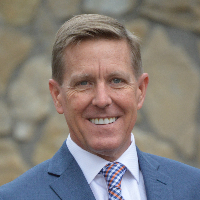
S. Craig Hufford
LPC
Guiding practical change with values and clarity
- Stress, Anxiety
- Relationship
- Grief

Tom Lewis
LPC
A practical, meaning-focused counselor
- Stress, Anxiety
- Relationship
- Intimacy-related issues

Tommi-Jai Walsh
LSCSW, LCSW
Compassionate social worker with practical focus
- Stress, Anxiety
- LGBT
- Relationship

Susan Hart
LPC
Helping people notice what gets in the way
- Stress, Anxiety
- Relationship
- Intimacy-related issues

Natalie Alepin
LPC, LPCC
Therapist focused on meaning and practical change
- Stress, Anxiety
- Grief
- Self esteem


Some links on this page are partner links. We will earn a commission if you sign up through one, at no cost to you. It does not change what you pay or the order of the listings.
Overview of Online Therapy Availability in Missouri
Online therapy has become a common way for people in Missouri to access mental health support without needing to travel to an office. State rules allow therapists who are licensed in Missouri to provide services through video, phone, or other remote methods, and many practitioners include online work among the ways they describe their practice. When you search for a therapist in this directory, you will see biographical details, stated approaches, and areas of focus that help you determine whether a clinician’s background aligns with what you are seeking. Keep in mind that listing an approach on a profile indicates the therapist describes using that approach, rather than proving any specific credential in that method.
Because licensure is managed at the state level, therapists who list Missouri licensure on their profiles are operating under Missouri’s professional requirements. Online therapy in Missouri may be offered by mental health counselors, marriage and family therapists, social workers, psychologists and other licensed professionals, each of whom is governed by their own licensing board or committee. Understanding these distinctions can help you interpret a profile and the language therapists use to describe their work.
Benefits of Online Therapy for Missouri Residents
Online therapy can make it easier for you to fit care into a busy life. You may avoid long drives across rural counties, reduce time away from work or family obligations, and access clinicians who work with particular approaches or populations without relocating. If you live in an area with fewer local options, online formats expand the pool of therapists you can consider, including those who list experience with life transitions, relationship issues, grief, chronic stress, or identity exploration.
In addition to convenience, online therapy can support continuity when you are traveling within the state or managing fluctuating schedules. Technology-based sessions can also allow you to select therapists who share your language, cultural background, or areas of clinical focus. As you explore profiles, think about how session length, communication style, and the therapist’s stated approaches align with how you prefer to work. It is also helpful to consider practical matters such as how sessions are delivered and how paperwork or billing will be handled, since those logistics shape your experience of care.
What Types of Issues Online Therapists in Missouri Commonly Help With
Therapists who practice online in Missouri often work with a broad range of concerns that many people seek help for. You will find clinicians who describe treating symptoms of anxiety and depression, navigating relationship conflicts, managing parenting and family stressors, coping with grief and loss, and addressing workplace or academic pressures. Therapists may also list experience supporting people through life transitions such as relocation, retirement, or changes in family structure. For those processing identity-related questions, clinicians who note cultural competency or multilingual skills can be useful matches.
Some therapists list approaches that are frequently used for specific types of concerns. For example, you may see therapists who list cognitive-behavioral techniques among their approaches for mood and anxiety management, or therapists who list trauma-informed approaches for people working through past difficult experiences. Others may list existential or psychodynamic approaches aimed at exploring meaning, values, and life purpose. If a particular issue is central to your search, read therapist profiles for language about the populations they work with and the ways they describe addressing that concern, remembering that a listed approach does not equate to formal certification in that method.
How to Verify a Therapist's License in Missouri
Step-by-step checks you can perform
Verifying a therapist’s licensure is an important step you can take before initiating contact. Begin by looking for a license number or the exact license type on the therapist’s profile, such as licensed professional counselor, licensed clinical social worker, licensed marriage and family therapist, or psychologist. With that information in hand, use the Missouri state professional licensing website to search by name or license number. The online lookup typically shows whether a license is active, the expiration date, and any disciplinary actions that may be on record.
If the licensing website does not yield clear results, you can call or email the relevant state licensing board for assistance. When you review a license record, pay attention to the professional title, the issuance date, and any public notes about restrictions or discipline. These records provide objective information about licensure status; bios and profiles offer context about how a therapist describes their approach and experience. Combining both sources gives you a clearer picture as you decide who to contact.
How to Get Started with an Online Therapist in Missouri
Preparing for your first contact and session
Begin by clarifying what matters most to you in therapy. Reflecting on goals, preferred session format, language needs, and logistic constraints helps you focus your search. When you find profiles that resonate, note the therapist’s stated approaches, populations served, languages spoken, and professional credentials. Contact a therapist using the method provided on their profile to ask about intake procedures, fees, insurance policies, and how they structure remote sessions. Asking these practical questions ahead of time helps you understand administrative details before scheduling.
On the day of an online session, choose a quiet place where you feel comfortable speaking and will not be interrupted. Test your device and internet connection in advance to reduce technical interruptions. Many therapists provide an initial paperwork packet to complete electronically before the first meeting; completing forms early ensures more of the first session can be focused on your concerns. If you have questions about how the therapist handles emergencies or local referrals, raise them before or during the first appointment so you know what to expect if urgent needs arise while you are working remotely.
Tips for Choosing the Right Therapist
Choosing a therapist is a personal process and finding a good fit often depends on a mix of clinical approach, experience, and interpersonal style. As you compare profiles, pay attention to how therapists describe their approach to working with clients and the types of challenges they emphasize. If an approach you find appealing is listed, such as cognitive-behavioral methods, existential therapy, or trauma-focused work, look for therapists who list that approach among their methods and whose biographies resonate with the populations you identify with.
Cultural competence and language options matter for many people. If cultural identity, faith, or language are important to you, seek therapists who describe experience in those areas or offer sessions in your preferred language. Consider practical matters such as session length, fee structure, and whether the therapist accepts your insurance; clear communication about payment and administrative policies can prevent misunderstandings. Finally, consider the interpersonal fit: many people find it helpful to prepare a few questions or topics to discuss in the first session to gauge whether the therapist’s style matches your expectations. Over time, your sense of rapport and whether the therapist’s approach supports your goals will guide whether you continue working together.
Final Considerations
Online therapy in Missouri can expand options and make it easier for you to access clinicians who align with your needs and preferences. Take time to read profiles thoroughly, verify licensure through state resources, and prepare practical questions before your first contact. While profiles share important background information, the relationship you build in sessions is a key part of effective work. By combining administrative checks with attention to approach, language, and interpersonal fit, you can make a more informed choice about who to reach out to and how to begin.
If you are ready to explore therapists who list specific approaches or specialties, use the filters on this page to narrow profiles by approach, credential, language, and focus area. Thoughtful preparation and clear communication can help you find an online therapist in Missouri whose practice aligns with what you are looking for.