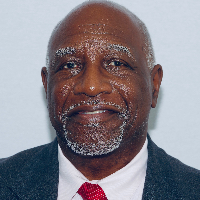
LaTrena Marshall
LPC
Compassionate counselor focused on practical tools
- Stress, Anxiety
- Relationship
- Grief
Clinical social work directory
75 therapists in this directory hold a licence issued in Michigan and name existential therapy among their approaches. Sessions are online; a US therapist can usually only see people in a state where they hold a licence, so check the credentials panel on each profile.
Welcome to Existential Therapists' Michigan directory for online care. All therapists listed here are licensed to practice in Michigan - explore profiles below to learn about their approaches, focus areas, languages and experience.
Use the listings to compare styles and find a therapist whose description resonates with your needs.
LPC
Compassionate counselor focused on practical tools
LPC
Practical, person-centered counseling for life changes
LMSW
Existential and practical therapy for meaning and change
LPC
Experienced counselor helping people find meaning and direction
LPC
Finding meaning and clearer direction
LPC
Supportive, practical counseling for life’s challenges
LMSW
Practical, experienced support for life's hard moments
MI Psychologist
Insightful psychologist helping you navigate life changes
LPC
Compassionate counselor helping people find direction
MI Psychologist
Direct psychologist focused on life transitions
LPC
Hopeful, practical counseling for life’s hard moments
LPC
Therapist blending meaning work and practical coaching
LPC
Therapist who blends meaning with practical skills
LPC
Helping people move past obstacles and choose next steps
LMSW
Calm guidance to find clearer choices
LPC, LPCC
Helping people find meaning and steady recovery
LMSW, LCSW, CSW
Practical, values-focused support for real life
LMSW
Calm, practical therapy for life’s hard moments
LMSW
Supportive therapist focused on meaning and coping
LPC
Practical, values-focused counseling for everyday struggles
LPC
Helping people find meaning and practical goals
LPC
Practical, collaborative counseling for life transitions
LPC
Compassionate counselor for life transitions
LMSW
Compassionate existential-informed support for everyday struggles
LMSW, LCSW
Experienced social worker focused on recovery and meaning
MI Psychologist
Practical guidance for life and relationships
LMSW, LCSW
Helping people find direction and cope with stress
LPC
Relationship and intimacy focused counselor
LPC
Compassionate counselor guiding purposeful change
LMSW
Existential-informed therapist focused on practical change
LMFT
Existential and relationship-focused therapist
LMSW
Practical therapy for stress and life change
LPCC, LPC
Practical, person-centered counseling for life transitions
LMSW
Practical, values-focused therapy with experience
LPC
Compassionate counselor helping people find strength
LPC
Existential-minded counselor focusing on real-life change
LPC
Therapist who combines meaning and practical change
Some links on this page are partner links. We will earn a commission if you sign up through one, at no cost to you. It does not change what you pay or the order of the listings.
If you live in Michigan and are considering online therapy, you have a range of options that let you connect with clinicians across the state. Many therapists offer video or phone sessions that follow the same professional and legal standards as in-person care, while enabling you to meet from home, work, or another convenient location. Laws and licensing requirements guide who can provide services to Michigan residents, and therapists listed here are licensed in the state. You can expect profiles to describe credentials, theoretical approaches, and areas of clinical focus so you can learn which clinicians emphasize existential themes, trauma-related work, relational therapy, or other approaches. Online therapy in Michigan can also include blended care models - a combination of occasional in-person work and ongoing remote sessions - depending on the clinician and your needs. Because telehealth rules can change, it helps to have a sense of how licensing and practice standards shape what online therapy looks like in your state.
Online therapy can reduce barriers that make it hard to start or continue counseling, especially if you live in a rural part of Michigan or have limited mobility. The convenience of meeting by video means you can cut commuting time and fit sessions more easily into a busy schedule. For parents or caregivers, online sessions can reduce the need to arrange childcare. If you move between different parts of Michigan for work or family reasons, continuity can be easier when you keep working with the same therapist remotely. Many people also find that remote sessions help them feel more at ease at first - being in your own environment can lower the initial anxiety of meeting someone new. You can look for clinicians who list specific approaches you prefer, such as existential psychotherapy, psychodynamic work, mindfulness-informed methods, or therapists who list EMDR among their approaches. Online work is well suited to ongoing talk therapy, skills-based work, and reflective approaches that benefit from regular, scheduled meetings.
Therapists listed for online work in Michigan often address a wide range of concerns that affect daily life and emotional well-being. You can expect clinicians to describe experience with anxiety, depression, stress related to work or school, relationship challenges, grief and loss, life transitions, identity questions, and existential concerns about meaning and purpose. Some therapists note experience with trauma and symptom management, while others highlight support for couples, families, or parenting issues. If you are navigating a major life change - such as a career shift, retirement, relocation within Michigan, or a shift in relationships - many clinicians provide guidance for exploring values and making intentional decisions. Because online therapy removes geographic constraints, you can seek therapists who emphasize areas that matter to you - for example therapists who list narrative approaches, existential therapy, or somatic-informed practices among their methods. Reading profiles lets you see how clinicians describe the kinds of problems they often work with, the populations they mention, and any languages they offer sessions in, helping you to find a good fit for your situation.
Licensing ensures that a clinician meets the educational and regulatory requirements set by Michigan licensing boards. When you review a profile, look for the professional credentials clinicians list, such as licensed professional counselor, psychologist, social worker, marriage and family therapist, or other regulated titles. Each of these titles corresponds to a Michigan licensing board or bureau. Verifying a license gives you added confidence that the clinician is authorized to practice in the state and that you can report concerns through official channels if needed.
To check a license, start by noting the clinician's full name and the professional designation shown on their profile. Visit the appropriate Michigan licensing board website and use their license lookup tool to search by name or license number. The lookup will typically show whether the license is active, the license type, and any public disciplinary actions. If you have questions about what you find, the licensing board can provide guidance on interpreting public records. Keep in mind that profiles sometimes list academic degrees, professional memberships, or therapeutic approaches; these descriptions are informative but do not substitute for official license verification. Taking a few minutes to confirm licensure helps you make an informed choice and understand the professional framework the clinician practices within.
When you are ready to reach out to a therapist, prepare a short summary of what brings you to therapy and what you hope to address. This can include recent stressors, longer standing patterns you want to change, and practical preferences like session times or preferred communication style. Consider whether you prefer a therapist who emphasizes existential questions about meaning and purpose, someone who frames work around skills and coping strategies, or a clinician who integrates relational perspectives. If language is important to you, look for therapists who list the languages they speak. Keep in mind that profiles describe what therapists emphasize; they do not certify specific trainings. It is reasonable to ask a clinician about how they typically structure sessions and what a few early sessions might focus on so you have a clearer sense of their approach.
As you compare profiles, think about the therapeutic approach and the therapist's stated focus areas. Some people prefer direct, action-oriented work while others respond better to reflective exploration. A therapist who lists existential therapy may focus on questions of meaning, freedom, and responsibility, framing concerns within a search for values and authentic choices. Therapists who list cognitive, behavioral, or integrative methods often describe more structured techniques for managing symptoms and building skills. You may also weigh practical details such as whether sessions are held by video or phone, what languages are offered, and whether the therapist works with couples or families if that applies to your needs. While profiles give a helpful starting point, initial conversations can reveal how well your communication styles align.
Before your first online session, choose a quiet, comfortable setting where you can speak without interruption. Have a plan for logistics like device charging and a stable internet connection. You might jot down a few topics you want to cover or goals you hope to pursue in therapy to make the most of the first meeting. Therapy is a collaborative process - you and your therapist will shape the work together. If something about the approach feels off, it is okay to raise this with your clinician or to continue searching until you find someone whose style fits your preferences. Over time you can evaluate whether the sessions help you clarify values, manage distress, or improve relationships in ways that are meaningful to you.
Choosing an online therapist in Michigan means balancing clinical focus, therapeutic style, and practical fit. Use profiles to identify clinicians who describe approaches and concerns that match what you want to work on. Take time to verify licensure through the Michigan boards and to prepare questions about how a therapist structures remote sessions. Starting therapy is a personal step, and approaching the process with curiosity - about both the issues you bring and the ways different therapists approach them - can help you find a clinician who supports your goals. Whether you are dealing with anxiety, grief, relationship shifts, or search for deeper meaning, online therapy offers a pathway to consistent, reflective work that can fit into the rhythms of your life in Michigan. Begin by reading profiles, noting the styles and languages that matter to you, and reaching out to start a conversation with a therapist who resonates with your needs.