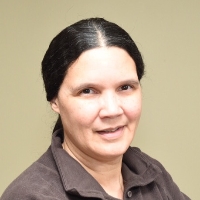
Sabrina Sahle
MD, LCSW-C
Compassionate therapist focused on meaning and change
- Stress, Anxiety
- Relationship
- Family
Clinical social work directory
29 therapists in this directory hold a licence issued in Maryland and name existential therapy among their approaches. Sessions are online; a US therapist can usually only see people in a state where they hold a licence, so check the credentials panel on each profile.
Welcome to our directory of online therapists serving Maryland. All therapists listed here are licensed in their profession, and you can explore profiles to learn about their approaches, focus areas, languages, and credentials.
Use the listings below to compare therapists who work online in Maryland and find a clinician whose background and approach match what you want from therapy.
MD, LCSW-C
Compassionate therapist focused on meaning and change
MD
Experienced clinician focusing on meaning and coping
MD, LCMFT
Seasoned clinician focusing on meaning and practical change
MD, LCPC
Mindful, practical support for life changes
MD, LCPC
Therapist combining reflection with practical skills
MD, LCPC
Compassionate care for meaning and change
MD, LCPC
Existential-informed counselor focused on meaning and healing
MD, LCSW-C, LICSW
Calm, practical support for stressful times
MD, LCPC
Compassionate, practical counseling for life challenges
MD, LCSW-C
Compassionate, practical therapy for life’s hard parts
MD, LCPC
Calm, practical therapy for deep life concerns
MD, LCSW-C
Compassionate therapist helping people find meaning and tools
LICSW, MD, LCSW-C
Existential-minded clinician with skills-based care
LPC, MD, LCPC
Straightforward counseling for life and meaning
MD, LCPC
Practical support for everyday functioning and growth
LPC, MD, LCPC
Calm, practical therapy for real-life struggles
MD, LCPC
Compassionate therapist helping people find meaning
MD, LCSW-C, LCSW
Practical coaching for clearer goals and habits
MD, LCPC
Experienced therapist focused on meaning and healing
LICSW, MD, LCSW-C
Existential-informed licensed clinical social worker
MD, LCPC
Relational clinician focused on meaning and change
MD, LCPC, LPC
Experienced, practical support for life changes
MD, LCSW-C, LCSW
Experienced therapist focused on meaning and coping
MD, LCSW-C
Experienced, practical, person-centered therapist
MD, LCMFT, LMFT
Finding meaning and clearer relationship patterns
MD, LCPC
Compassionate counselor for relationship and trauma concerns
MD, LCPC
Calm listener who helps you find direction
Some links on this page are partner links. We will earn a commission if you sign up through one, at no cost to you. It does not change what you pay or the order of the listings.
If you are looking for online therapy in Maryland, you will find that many clinicians offer sessions via video, phone, or messaging. Online therapy has become an established part of care in the state, and therapists who provide virtual services typically describe their preferred formats and the clinical approaches they use on their profiles. You can expect a range of credentials among those listed - social workers, professional counselors, marriage and family therapists, psychologists, and psychiatrists may all offer remote sessions, and their profiles will indicate the license type used in practice.
Regulatory frameworks guide how telehealth is practiced, including rules about where clinicians may legally provide services. It is common for therapists to specify that they work with clients who are located in Maryland at the time of a session. You will also notice that many clinicians list specific populations, languages, and therapeutic approaches on their profiles so you can quickly assess fit. Reading profiles carefully helps you understand how a therapist frames their work, which issues they emphasize, and what formats they use for remote sessions.
Online therapy makes it easier to connect with a clinician without travel time, which can be especially useful in rural or suburban parts of Maryland where in-person options may be farther away. You may appreciate the flexibility of scheduling, the ability to choose therapists across the state rather than only local providers, and the chance to continue care when you move or travel within state lines. For caregivers and people with mobility or transportation challenges, virtual sessions can reduce stress associated with attending appointments.
Beyond convenience, online therapy can broaden the range of clinicians you can consider. If cultural background, language, or a particular clinical approach matters to you, searching profiles lets you find therapists who list those features among their practice details. Many people also find that working from a familiar environment helps them open up more quickly, though you should plan for a quiet, quiet space where you will feel comfortable speaking freely. When you begin, take time to review how a therapist manages session logistics, privacy protections, and record-keeping so you understand how they handle your information and what to expect during remote sessions.
Online therapists in Maryland work with a broad spectrum of issues, including anxiety, depression, relationship difficulties, life transitions, grief, and stress related to work or family. Many clinicians also describe experience supporting people through trauma, chronic health conditions, and identity-related concerns such as LGBTQ+ issues or cultural and racial stressors. Profiles often highlight specific focus areas so you can identify therapists who emphasize the topics most relevant to you.
Different therapists describe their practice using various therapeutic approaches. You may find clinicians who list cognitive behavioral therapy, mindfulness-based approaches, psychodynamic methods, acceptance and commitment approaches, or therapists who list EMDR among their approaches. Listing an approach on a profile indicates that a clinician uses it as part of their work, but it does not substitute for asking about experience and rationale during an initial conversation. If you have a particular clinical preference, look for therapists who describe how they integrate those approaches into sessions and who communicate why that style might help with the issues you are facing.
Before you begin work with an online therapist, it is reasonable to verify that the clinician holds an active license in the state. You can start by checking the therapist’s profile for their license type and, where provided, a license number. State licensing boards maintain public license lookup tools where you can confirm the license status, expiration date, and any disciplinary history. These official resources are the most direct way to verify that a clinician is authorized to practice in Maryland.
If a profile does not list a license number, you can use the clinician’s full name and professional title to search the relevant state board. Keep in mind names can vary with initials or professional suffixes, so try name variations if you do not immediately find a result. If you have questions about what you see in a license lookup, you can contact the board directly for clarification. Additionally, you can ask the therapist for documentation of licensure or for the name of the board that issued their license - most clinicians will be willing to explain the licensure governing their practice and where you can confirm it.
When you are ready to reach out to a therapist, prepare a short overview of why you are seeking help and what you hope to change. This helps you and the clinician determine quickly whether their focus and approach match your needs. Before your first session, clarify how the therapist conducts remote sessions - whether by video, phone, or messaging - and ask about technical requirements so you can test your device and internet connection ahead of time. It is also helpful to ask about session length, fees, and whether the clinician works with your payment method or insurance. While profiles list the types of insurance clinicians mention, you should verify reimbursement directly with your insurer and the clinician’s administrative staff.
Choosing the right therapist often comes down to how comfortable you feel with the person and their style. Consider asking about their experience working with people who share similar concerns, their general approach to treatment, and how they measure progress. You might also ask about language options if you prefer a therapist who speaks a particular language. Trust your sense of fit - it is common for people to try a few initial conversations before deciding who to work with long term. If you do switch clinicians, you can ask for a summary of progress and any helpful recommendations so the next therapist can build on what you have already done.
As you explore online therapists in Maryland, take advantage of the information on profiles to narrow your options by approach, focus area, credentials, and languages spoken. Use official state resources to verify licensure and ask practical questions about session format, fees, and privacy protections before you begin. With deliberate steps you can find a remote therapist whose experience and style align with your goals and who helps you move forward at a pace that feels right for you.