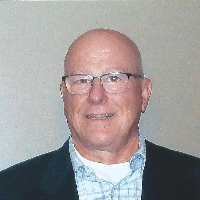
Vadim Sitnyakovskiy
LCPC
Insight-focused counselor helping people find meaning
- Stress, Anxiety
- Self esteem
- Depression
Clinical social work directory
91 therapists in this directory hold a licence issued in Illinois and name existential therapy among their approaches. Sessions are online; a US therapist can usually only see people in a state where they hold a licence, so check the credentials panel on each profile.
Welcome to our Illinois directory - if you are looking for licensed online therapists who work with clients across the state, you are in the right place. All therapists listed here hold Illinois licenses; explore profiles to learn about their approaches, focus areas, credentials, languages, and experience.
LCPC
Insight-focused counselor helping people find meaning
LCPC
Compassionate guide for relationship and identity work
LCSW
Existential-minded LCSW focused on meaning
LCPC
Therapist focused on meaning and coping
LCPC
Existential-informed counselor focused on relationships
LCPC
Guided, practical therapy for complex life challenges
LCPC
Experienced clinician focused on meaningful change
LCPC
A practical, compassionate guide for emotional change
LCPC
Helping people find meaning and practical tools
LCPC
Compassionate, practical support for life’s challenges
LCSW
Calm, practical support for life’s hardest problems
LCPC
Hopeful, practical counseling for life changes
LPC, LCPC
Practical, goal-focused counseling with an existential view
LCSW
Existential-informed therapist focused on practical change
LPC, LPCC
Compassionate therapist focused on meaning and change
LCSW
Kind, experienced guide for life transitions
LMHC, LCPC
Compassionate support for stress and life change
LCSW
Compassionate clinician who guides practical change
LCSW
Experienced LCSW focused on practical change
LCPC, LPC
Helping people face life changes with practical care
LCSW
Experienced LCSW blending insight and practical tools
LCSW
Compassionate, practical therapy focused on meaning and change
LCSW
Compassionate practical therapy for life’s hard moments
LCSW
Practical trauma-informed therapy with an existential lens
LCPC, LPCC
Practical, meaning-focused counseling for life challenges
LCPC
Practical, values-focused counseling for life's challenges
LCSW
Existential-informed LCSW focused on practical change
LCPC
Existential-minded counselor focused on practical change
LCSW
Compassionate, practical social work support
LCPC
Warm, practical counseling from an Illinois LCPC
LCSW
Finding meaning and clearer direction
LMHC, LCPC
Practical, meaning-focused therapy for life challenges
LCPC
Experienced counselor focused on meaning and change
LCPC, LPC
Clinical counselor focused on practical, meaningful change
LCSW
Calm, practical guidance for life’s hard moments
LCPC
Compassionate, practical counseling for life transitions
LCPC
Compassionate counselor focused on meaning and change
LCSW
Compassionate, practical therapy for real-life struggles
Some links on this page are partner links. We will earn a commission if you sign up through one, at no cost to you. It does not change what you pay or the order of the listings.
As you explore online therapy options in Illinois, it helps to know how statewide practice generally works. Teletherapy in Illinois is provided by clinicians who are licensed to practice in the state. That means when you choose an online therapist from this directory, you will be connecting with someone whose license authorizes them to offer clinical services to Illinois residents. Online sessions typically mirror many elements of in-person work - conversation, skill building, and reflective exercises - but are delivered through video or phone. The technological format influences how sessions feel, so you should expect a different rhythm than face-to-face meetings. Your therapist may use video for most appointments and switch to phone when needed, or integrate text-based tools as supplemental support. State rules require clinicians to follow professional standards in telehealth delivery. Those expectations cover documentation, record keeping, and professional conduct during virtual meetings. While the core therapeutic process remains similar, the logistics - appointment links, platforms, and communication preferences - are an important part of the online experience. Knowing what to expect will help you prepare for sessions and choose a clinician whose communication style and approach align with your needs.
Online therapy offers practical advantages that matter in everyday life. If you live in a rural part of Illinois, travel times to urban centers can be long; remote sessions reduce commuting and make consistent work on mental health more feasible. For people with busy schedules, caregiving responsibilities, or mobility limitations, virtual sessions allow you to fit therapy into your routine with less disruption. You can join sessions from your own home or another setting where you feel comfortable and focused, which can make it easier to attend regularly. In addition to convenience, online therapy expands the pool of clinicians you can access. You are not limited to therapists in your immediate neighborhood; instead, you can connect with professionals who list particular approaches or specializations you value. For example, you may find therapists who list existential therapy alongside other modalities, or clinicians who work with specific life transitions, relationship concerns, or identity-related topics. This broader access can help you find a better fit for your needs. Online work also supports continuity when life circumstances change - moving within the state, for instance - because you can remain connected to a therapist licensed in Illinois without needing to change providers immediately.
Online therapists address a wide range of personal and relational concerns. Many people seek therapy for stress, anxiety, and mood concerns that affect daily functioning, while others seek support for relationship difficulties, parenting challenges, grief, or major life transitions such as career change, relocation, or becoming a caregiver. Therapists also work with people exploring identity, meaning, and values - topics that are often central in existential approaches. You will also find clinicians who list approaches geared toward trauma-related symptoms, attention and focus challenges, or long-term patterns of behavior that impact relationships and work life. Because therapy is tailored to the person in front of the clinician, the same online format can accommodate short-term coping strategies as well as longer-term personal exploration. Therapists who list specialty areas like couples work, family dynamics, adolescent and young adult concerns, or aging-related adjustments may shape their online sessions differently to address developmental context or relational patterns. When you review therapist profiles, pay attention to the populations and concerns they highlight; this will give you a sense of whether their experience aligns with the challenges you want to address.
Verifying a clinician's license is a practical step you can take before beginning work. The Illinois Department of Financial and Professional Regulation provides an online license lookup where you can confirm a therapist's license type and status. You can search by name or license number to view information such as license class, issue and expiration dates, and any disciplinary actions that may be recorded. Understanding the basic meaning of common credentials will also help you interpret what you find - for example, social work licenses, professional counselor registrations, marriage and family therapy credentials, and psychology licenses are different categories with distinct educational and regulatory pathways. When you review a license record, focus on the license type and active status. If a therapist lists certifications or special training on their profile, remember that these listings reflect self-reported approaches - they are not the same as the regulated state license. If you have questions about a therapist's credentials or about how state rules apply to telehealth, you can contact the licensing office directly for clarification. Confirming licensure gives you factual information and can help you feel more comfortable moving forward with an online clinician licensed to practice in Illinois.
Starting therapy online involves both practical preparation and thoughtful selection. Begin by clarifying what you want to work on and what matters most to you in a therapeutic relationship - whether that is a particular approach to therapy, lived experience, language, or cultural understanding. Look at therapist profiles to see how clinicians describe their focus areas and approaches; when modalities like cognitive behavioral methods, emotion-focused work, or existential-oriented practice are listed, understand that these are areas the therapist highlights rather than regulated endorsements. Pay attention to credentials and professional titles, the populations a clinician mentions, and whether they note working in particular cultural or community contexts that resonate with you. Before your first appointment, prepare a brief summary of your concerns and goals so you can communicate them clearly. Ask about session logistics in an initial message or consultation - how they typically structure sessions, what platform they use, session length, fees, and payment methods. If insurance matters to you, inquire whether the therapist provides the necessary documentation for reimbursement or whether they list specific billing practices. Consider practicalities such as language, time zone differences if applicable, and whether the therapist mentions experience with issues similar to yours. Choosing the right therapist often comes down to fit. You should feel heard and respected when you describe your concerns, and the therapist's responses should give you a sense of how they would work with you. It is okay to try a few initial conversations before deciding who is the best match for ongoing work. Trust your judgment about comfort and rapport - these elements shape how effective the collaborative process can be. If something in the clinician's approach or communication does not feel right, you can continue your search until you find a professional whose style aligns with your needs.
For your first online session, choose a quiet location where you can speak without interruption and where you feel at ease. Have any relevant insurance information or payment details ready, and be prepared to share a short history of the concerns that brought you to therapy. Think about concrete goals - even a few initial priorities can help guide early sessions and give you and your therapist a shared starting point. If technology is new to you, do a quick check of audio and video beforehand to reduce stress at the appointment time.
As you move forward, remember that online therapy is a collaborative process. You bring knowledge about your experiences and values, and the therapist brings professional perspective and methods. Effective work depends on clear communication about goals, preferences, and practical matters such as session cadence and fees. Use the information on therapist profiles to narrow options based on approach, focus areas, language, and experience. With thoughtful selection and a willingness to assess fit after a few sessions, you can find an online therapist licensed in Illinois who supports the changes you want to make.