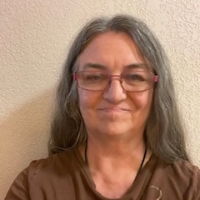
Nada Cox
LCSW
Experienced LCSW guiding practical, meaning-centered therapy
- Stress, Anxiety
- LGBT
- Relationship
Clinical social work directory
29 therapists in this directory hold a licence issued in Arizona and name existential therapy among their approaches. Sessions are online; a US therapist can usually only see people in a state where they hold a licence, so check the credentials panel on each profile.
Welcome to our Arizona online therapy listings. All therapists shown on this page hold professional licenses issued in Arizona. Explore the profiles below to review specialties, approaches, languages and experience.
LCSW
Experienced LCSW guiding practical, meaning-centered therapy
LPC
Insightful counselor focused on meaning and practical change
AZ Psychologist
Helping adults map problems and make lasting change
LPC
Experienced counselor focused on meaning and recovery
LCSW
A steady, practical guide through trauma and life change
LPC
Meaning-focused counselor using practical tools
LPC, LCMHC
Compassionate counselor blending meaning with practical tools
AZ Psychologist
Practical, meaning-focused therapy for real life
LCSW
Guiding people toward clearer meaning and healthier habits
LPC
Compassionate counselor guiding practical change
AZ Psychologist
Practical, values-based therapy for everyday struggles
LPC
Experienced counselor blending creativity and meaning
LPC
Purpose-focused counselor helping people move forward
LPC
Compassionate support for life’s hard transitions
LCSW
Rediscover direction and steady connection
LPC
Existential-informed counselor focused on practical change
LPC
Compassionate counselor focused on meaning and change
LMFT
Experienced therapist focused on real-life change
LPC
Hopeful, practical counseling for life's challenges
LCSW
Existential-informed care for trauma and addiction
LPC
Compassionate counselor for life transitions
LPC
Experienced counselor helping people find meaning and direction
Some links on this page are partner links. We will earn a commission if you sign up through one, at no cost to you. It does not change what you pay or the order of the listings.
Online therapy has become an established option for many people living in Arizona. Across urban centers, suburban neighborhoods and rural communities, therapists offer remote sessions by video or phone that mirror the structure of in-person work. You will find clinicians who list a range of approaches, credentials and specialty areas, which makes remote care adaptable to diverse needs and schedules. The practical result is that you can connect with a therapist based in Arizona without traveling long distances, and you can often choose from practitioners who emphasize different philosophies and techniques in their work.
When thinking about availability, it helps to remember that practice models vary. Some therapists focus primarily on short-term problem solving, while others describe an orientation toward ongoing, exploratory work. Many profiles will list the populations a therapist commonly works with - for example adults, adolescents, couples or family systems - and the types of challenges they address. In Arizona, state licensing bodies oversee professional practice, and the therapists listed here hold licenses issued by the state. This means you can expect that their profiles will include the credential type and professional designation that are relevant where you live.
Choosing remote therapy can offer practical benefits that matter in everyday life. If you live in a region where in-person options are limited you can access therapists in other parts of the state without a commute, saving time and expanding your range of possible matches. For people with caregiving responsibilities, irregular work hours, or mobility challenges, the ability to attend sessions from home or from another personal location makes it easier to maintain consistency. You may also find it simpler to schedule appointments around school, work and travel.
Beyond convenience, online therapy can improve continuity of care when life circumstances change. If you move within Arizona or travel between cities, continuing work with the same therapist remotely can preserve momentum in your progress. Remote sessions can also allow for creative scheduling - shorter check-ins during busy periods or evening appointments when daytime access is difficult. Keep in mind that the therapeutic relationship and the therapist's methods are the primary drivers of helpful outcomes, whether sessions occur in person or by video.
Online therapists in Arizona work with a broad spectrum of concerns. Many people seek teletherapy for anxiety, depression, stress related to work or school, relationship difficulties and life transitions such as grief, career change or becoming a parent. Others pursue therapy to address trauma-related symptoms, patterns of avoidance, substance use concerns, or to explore identity and meaning. Couples therapy and family work are also commonly offered via video, with practitioners adapting communication exercises and structured interventions to a remote format.
Therapists often describe the approaches they use in their profiles. You may find clinicians who list cognitive-behavioral methods, psychodynamic perspectives, existential approaches, somatic-informed work, mindfulness-based tools, narrative approaches and other modalities. Profiles sometimes indicate that a therapist integrates several approaches depending on the issues you bring. Because listings reflect what therapists choose to highlight, you will see language like "therapists who list EMDR among their approaches" or "therapists who mention acceptance and commitment concepts". That phrasing signals orientation without implying formal certification or specific levels of training beyond the license noted on the profile.
Verifying a therapist's license is a practical step that can give you clarity about credentials and standing. Arizona has boards and regulatory bodies that publish license verification tools online. When you review a profile, note the professional credential listed - for example a clinical social worker, marriage and family therapist, professional counselor or psychologist - and use that designation as your starting point for a search on the appropriate state board's website. Many boards allow searches by name, license number or city, and they display current license status, expiration dates and any public disciplinary actions.
When you run a verification, look for the license type and the status statement - active, inactive or otherwise noted - and confirm that the name matches the therapist's profile. If you have questions about an entry you find, most licensing boards publish contact information for inquiries. You can also ask the therapist directly about their license type and the board that issued it. Asking in plain language - for example, which Arizona board issued the license and what credential they hold - is a reasonable part of choosing a clinician. Remember that a listing of an approach on a profile does not equate to a board designation, so use the state board records to confirm licensure details.
Begin by defining what you hope to achieve in therapy and what practical constraints you have - such as times you can meet and whether you prefer video or phone sessions. Use the directory profiles to filter for language, specialty areas and approaches that matter to you. When you reach out to a therapist's office or intake contact, you can ask about their typical session structure, the kinds of goals they address and whether they have experience working with concerns similar to yours. Many therapists include short descriptions on their profiles that explain who they commonly work with and how they describe therapy, which can help you decide which profiles warrant a first contact.
As you compare profiles, pay attention to focus areas, clinical approach, years of experience and any population or demographic expertise that aligns with your needs. If language or cultural background is important to you, look for therapists who list those competencies. Consider whether you prefer a therapist who emphasizes skill-building and solution-focused work or someone who centers exploration of meaning and identity. It can be useful to think about interpersonal fit - what kind of tone feels most helpful to you in a conversation. Many people benefit from an initial consultation or intake session to assess rapport and whether the therapist's style feels like a good fit.
Other practical considerations include fee structure, whether the therapist lists acceptance of insurance or offers other payment arrangements, and how they describe their policies for cancellations and rescheduling. You may also want to ask about the therapist's approach to privacy and record keeping to understand how session notes and communications are handled. Preparing a few questions in advance - about how they work with specific concerns, what a typical session looks like and how progress is measured - can make early conversations more efficient and informative.
Once you choose a therapist to contact, arrange an initial intake or consultation and use that session to describe your goals, ask about the therapist's approach and clarify next steps. It is normal to try more than one therapist before you find the person who feels most helpful. Therapy is a collaborative process and shaping the work together is part of how progress happens. Keep in mind the practical steps that support remote work - a stable internet connection, a quiet setting where you can speak freely and a plan for what to do in case of an urgent need - and discuss any accessibility or scheduling needs with your therapist up front.
Finding the right online therapist in Arizona often involves balancing practical details with personal fit. By reviewing profiles carefully, verifying licensure, and using initial conversations to evaluate rapport and method, you can identify a practitioner whose experience and approach align with your goals. When you prioritize clarity about credentials, treatment focus and the logistics of remote sessions, you set the foundation for effective collaboration and meaningful progress.