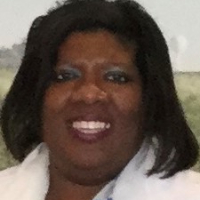
Mary Shiels
BACP
Compassionate existential counsellor with practical focus
- Stress, Anxiety
- LGBT
- Trauma and abuse
Clinical social work directory
2,345 therapists list post-traumatic stress among the things they work with. All offer sessions online, and every profile shows the registering body, the membership number and when it runs to.
This page lists therapists who identify post-traumatic stress as a specialty area. Browse the profiles below to compare therapeutic approaches, focus areas, languages, and experience to find a potential match.
BACP
Compassionate existential counsellor with practical focus
LICSW
Practical, values-driven therapy with compassion
LPC
Practical, meaning-focused counseling for life changes
LPC
Compassionate counselor guiding practical change
ACA
Experienced counsellor helping with life changes
LPC
Practical, values-focused counseling in Texas
LPC
Direct, practical counseling focused on change
ACA, PACFA
Supportive counsellor for stress and trauma
BACP
Existential-informed counsellor with practical tools
BACP
Compassionate counsellor for life transitions
AASW
Calm, direct support for family and trauma concerns
BACP
Experienced person-centred counsellor focused on meaning and change
LPC
Practical, values-focused therapy for everyday life
BACP
Compassionate counsellor for life challenges
BACP
Existential-informed counsellor focused on everyday challenges
BACP
Practical therapy that addresses meaning and coping
NCPS
Compassionate integrative counselling for life's hard moments
BACP
Existentially minded counsellor for life changes
BACP
Existentially minded counsellor focused on meaning
LPC
Helping people find purpose and practical coping tools
LPC
Experienced counselor focusing on practical change and meaning
LMHC
Existential-informed therapist focused on meaning
BACP
Compassionate counsellor for real-life challenges
ACA
Helping people make meaning and manage strong emotions
LISW
Calm, practical support for life's hard moments
NCPS
Helping people find meaning and practical coping strategies
BACP
Existential and person-centred counsellor
LPC
Calm, practical therapy focused on meaning and resilience
BACP
Empathic counsellor helping people find meaning and coping skills
BACP
Quiet, reflective counselling for life changes
LPC
Calm, practical help for life’s hard moments
ACA
Practical, collaborative therapy for life changes
LMHC
Compassionate counselor helping people find meaning and balance
NCPS
Practical support for life’s harder moments
LPC
Practical support for stress, trauma, and life changes
BACP
Supportive integrative counsellor for life changes
BACP
Compassionate counsellor for life transitions
BACP
An approachable counsellor for everyday struggles
BACP
Practical support for meaning, stress and relationships
Some links on this page are partner links. We will earn a commission if you sign up through one, at no cost to you. It does not change what you pay or the order of the listings.
Post-traumatic stress can develop after you experience or witness a frightening, dangerous, or violent event. People describe it in different ways - recurring distressing memories or images, intense emotional or physical reactions when reminded of the event, or persistent avoidance of reminders. You may notice changes in mood and thinking, such as feeling numb, losing interest in activities you used to enjoy, or having negative thoughts about yourself and others. Some people also experience heightened startle responses, difficulty sleeping, or trouble concentrating. These reactions vary in intensity and in how they affect daily life.
When symptoms persist, they can interfere with relationships, work, and daily routines. You might find it hard to be around certain people or places, or you may withdraw from social contact. Emotions can become overwhelming at times, making it difficult to manage stress or regulate anger. For some, post-traumatic stress shows up alongside other challenges, such as anxiety, depression, or substance use, which can complicate recovery. Understanding how these symptoms show up for you is an important early step toward finding an approach that feels helpful.
If you notice persistent intrusive memories, flashbacks, or nightmares that interfere with sleep and daily tasks, therapy may offer tools to reduce their impact. Avoidance of places, conversations, or activities that remind you of an event, to the point that you limit your life, is another sign that focused support could be useful. Persistent negative beliefs about yourself or others, chronic hypervigilance, and difficulty trusting people are common reasons people seek targeted help. You might also consider therapy if you find that symptoms are changing how you relate to loved ones or affecting your ability to work or study.
There is no single threshold that determines when to start therapy. If you find your symptoms are distressing, ongoing, or getting in the way of things you care about, reaching out to a mental health professional can help you explore options. Many people feel uncertain or nervous about beginning therapy, especially when trauma is involved. A thoughtful therapist will work with you at a pace that acknowledges your comfort and readiness while helping you build coping skills to manage strong emotions when they arise.
Your initial sessions typically involve describing your experiences and current challenges so the therapist can understand what you are facing. This is an opportunity to explain what you hope to change and to ask questions about approaches, session structure, and the therapist's focus areas. You and the therapist will usually set goals together, which might include reducing symptom intensity, improving sleep, managing triggers, or restoring relationships. Goal setting is an ongoing conversation and can be adjusted as you progress.
Therapy for post-traumatic stress often combines practical symptom management with deeper processing work when you are ready. Early sessions commonly emphasize stabilization - learning grounding techniques, breathing strategies, and ways to manage strong emotions so that you feel more able to engage in the work. As you build skills and a working relationship, sessions may shift toward addressing the memories or beliefs that maintain distress. The pace is typically collaborative, and many therapists will check in about timing and intensity so you retain a sense of control over the process.
There is a range of approaches that therapists may list when they describe their work with post-traumatic stress. Some therapists describe cognitive behavioral methods that focus on identifying and changing patterns of thinking and avoidance that keep symptoms active. Others list exposure-based strategies that involve gradually facing trauma-related memories or situations in a structured way to reduce fear and avoidance. You may find therapists who list EMDR among their approaches; this method uses bilateral stimulation alongside focused attention on trauma-related material, and some people find it helpful for processing memories. Additional approaches you may see include somatic methods that attend to bodily responses, narrative or meaning-centered therapies that explore the role of the trauma story in your life, acceptance and mindfulness-based strategies that support present-moment coping, and systems-oriented work that looks at relationships and context.
When reviewing profiles, pay attention to how a therapist explains their approach - whether they describe steps for symptom management, the kinds of experiences they help process, or the settings in which they work. Because directory listings reflect how therapists choose to present themselves, the presence of a particular approach on a profile indicates the therapist lists it among their approaches, not that a uniform training or certification standard is being claimed. If you have questions about techniques or fit, you can use profile details to identify clinicians whose described work matches your preferences and then ask more about methods in an initial conversation.
Online therapy can offer access to therapists who list post-traumatic stress among their specialties regardless of geographic distance. Sessions typically occur via video, phone, or messaging, and you should expect a similar structure to in-person work - assessment, goal setting, skill building, and processing when appropriate. If you choose online sessions, plan for a personal, distraction-free environment where you can focus. Consider time zone differences, technology needs, and how you will handle moments of intense emotion between sessions. Many people find the convenience of remote sessions helpful for maintaining consistency, while others prefer occasional in-person contact; think about what will help you feel most supported.
Start by reflecting on what matters most to you - whether that is an approach that emphasizes skills, a focus on somatic work, language or cultural match, lifespan experience, or a particular therapeutic perspective. Use profile details to narrow options by focus areas, languages spoken, and professional credentials, and pay attention to how therapists describe their clinical priorities. When you reach out to a therapist, ask about their experience working with issues similar to yours and how they typically structure sessions for trauma-focused work. It can be helpful to ask how they support clients who need stabilization, what kinds of coping strategies they emphasize, and how they handle strong reactions during sessions. Trusting your sense of rapport is important; you should feel heard and respected when you describe your situation. Finally, consider practical factors such as session length, communication style, and whether you prefer remote or in-person meetings, and keep in mind that finding a good match sometimes takes meeting more than one clinician.
Post-traumatic stress affects people in different ways, and the path forward is personal. Using the listings below to compare how therapists present their approaches, focus areas, and languages can help you identify professionals who match what you value in care. Reaching out to learn more about how a therapist structures trauma work is a reasonable next step if you want tailored support.